From our garden in Bulverde, Texas, we cultivate a stunning variety of fresh, seasonal blooms. Each flower is grown with care and harvested at peak beauty for your special occasions.
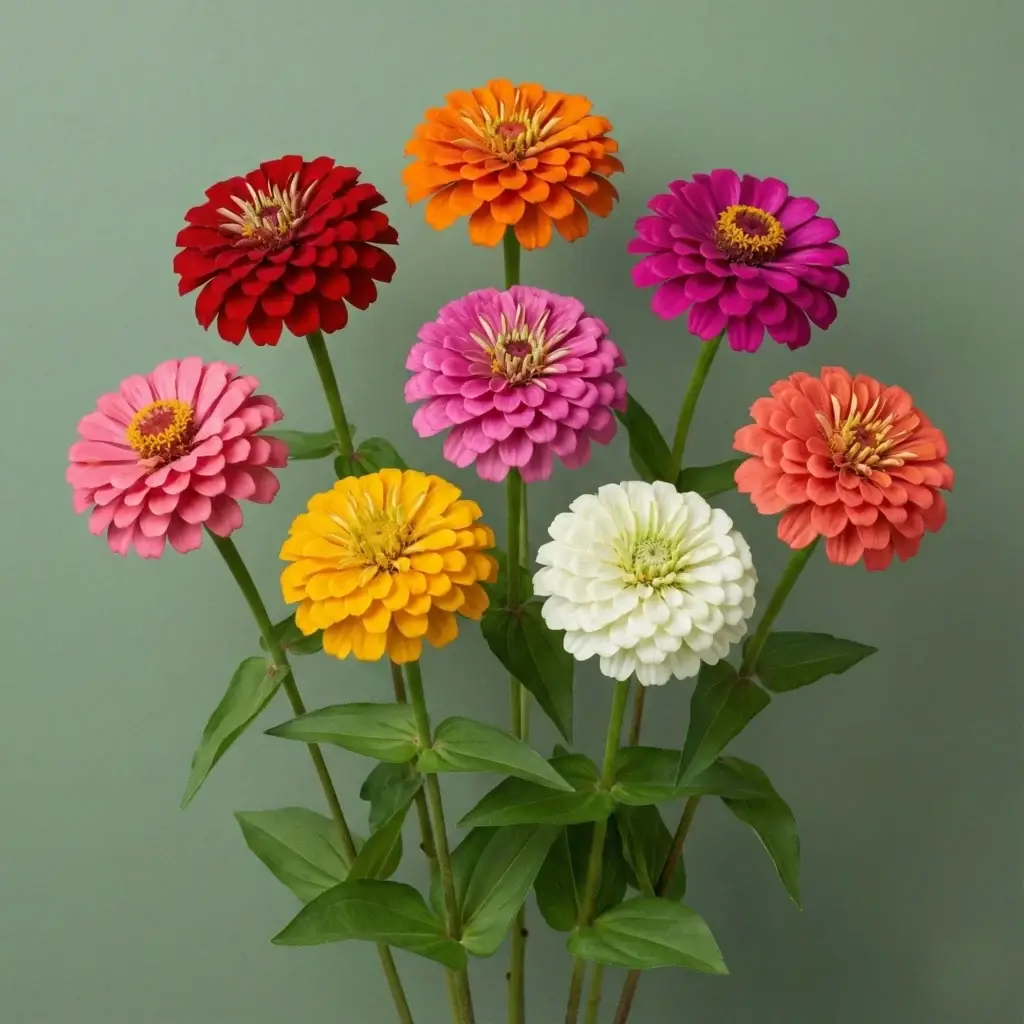
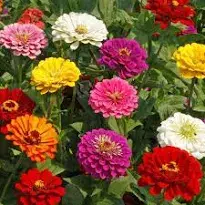
Benary Giant Zinnias are renowned for their large, vibrant blooms that can reach up to 4–5 inches across. These annual flowers come in a stunning array of colors, including shades of pink, orange, red, yellow, purple, and white. With long, sturdy stems and impressive bloom size, they are a favorite among gardeners and florists for both garden beds and cut flower arrangements. Benary Giant Zinnias are also known for their excellent disease resistance and ability to thrive in hot, sunny conditions.Interesting Fact: Benary Giant Zinnias are a top choice for pollinator gardens, attracting butterflies, bees, and other beneficial insects. In fact, their large, easily accessible blooms make them especially attractive to monarch butterflies during their migration!
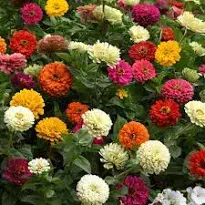
Zinnia Pumila Pompon
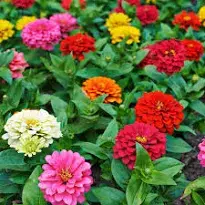
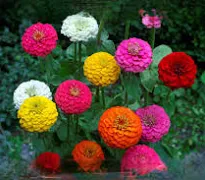
Zinnia pumila pompon varieties are compact, bushy annuals cherished for their small, rounded double blooms that resemble radiant pom-poms. The flowers typically measure about 1–2 inches across and come in a cheerful mix of colors, including red, orange, pink, yellow, and white. These zinnias are well-suited for borders, containers, and bedding displays due to their neat, low-growing habit and prolific flowering throughout the summer.Interesting Fact: Zinnia pumila pompon flowers are particularly popular with gardeners aiming for continuous color, as they not only bloom profusely but also thrive even in hot, dry conditions where many other flowers might struggle. Their compact size and resilience make them perfect for urban gardens and small spaces!
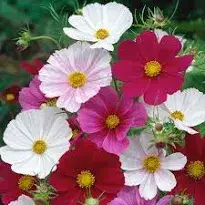
Cosmos Seashell
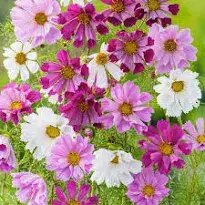
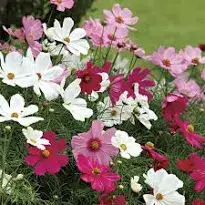
Cosmos ‘Seashells’ are distinctive annual flowers known for their unique, fluted petals that roll into tubular shapes, resembling delicate seashells. Blooming in shades of pink, white, and rose, these airy flowers sit atop slender stems and finely cut, feathery foliage. ‘Seashells’ cosmos add whimsical texture and a touch of elegance to garden beds, borders, and cut flower arrangements, and they bloom continuously from early summer until frost.Interesting Fact: The tubular petals of ‘Seashells’ cosmos aren’t just beautiful—they also make the flowers extra attractive to pollinators like bees and butterflies, who can easily access the nectar hidden inside each “seashell.” This makes ‘Seashells’ cosmos a great choice for pollinator-friendly gardens!
Cosmos Candystripe
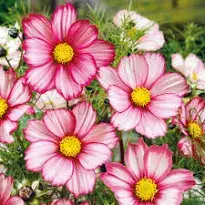
Cosmos ‘Candystripe’ is a charming annual flower celebrated for its striking bicolor blooms. Each daisy-like flower features crisp white petals edged with vibrant shades of pink or magenta, creating a delightful “candy-striped” effect. Growing on tall, slender stems with feathery foliage, ‘Candystripe’ cosmos adds a whimsical, eye-catching accent to garden beds, borders, and cut flower arrangements. These flowers bloom profusely from midsummer to fall, attracting pollinators and adding a cheerful splash of color to any garden.Interesting Fact: Cosmos ‘Candystripe’ is not only beautiful but also highly adaptable—it thrives in poor soils and tolerates drought, making it an excellent choice for low-maintenance or wildflower gardens. Its long stems and showy blooms are also loved by florists for fresh bouquets!
Zinnias Liliput Mixed Colors
Zinnia ‘Lilliput Mixed Colors’ is a delightful variety known for its compact growth and abundant small, double blooms. Each flower measures about 1–1.5 inches across and features a tight, button-like form in a vibrant mix of colors, including red, orange, yellow, pink, and white. These zinnias are perfect for borders, edging, containers, and cutting gardens, as their neat, bushy plants produce a profusion of cheerful blossoms all season long.Interesting Fact: Despite their petite size, ‘Lilliput’ zinnias are incredibly long-lasting both in the garden and as cut flowers. Their sturdy stems and dense blooms make them ideal for miniature bouquets and boutonnieres, and they’re also excellent at attracting butterflies and other pollinators to small garden spaces!
Cosmos Sonata Mix
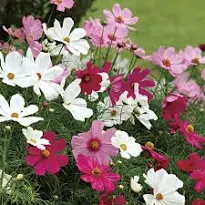
Cosmos ‘Sonata Mix’ is a compact, early-flowering variety prized for its abundance of daisy-like blooms in shades of white, pink, rose, and carmine. The plants grow to about 1–2 feet tall, making them perfect for borders, containers, or small garden spaces. Each flower features delicate, feathery foliage and sits atop sturdy stems, creating a charming, airy look. ‘Sonata Mix’ cosmos bloom prolifically from early summer to fall, providing a long-lasting display of color and beauty.Interesting Fact: ‘Sonata Mix’ was bred specifically for its compact size and early blooming habit, making it ideal for urban gardens and patio containers. Despite its shorter stature, it is just as attractive to pollinators as taller cosmos varieties, drawing in butterflies and bees throughout the season!
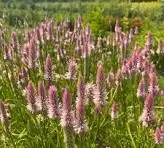
Celosia Shimmer
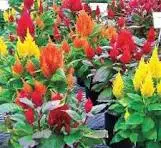
Celosia ‘Shimmer’ is a striking annual flower variety known for its eye-catching, feathery plumes that shimmer in shades of vivid pink, magenta, and sometimes soft orange or gold. The upright, plume-like flower heads sit above glossy green foliage and can reach heights of 18–24 inches. ‘Shimmer’ celosia brings vibrant color and texture to garden beds, borders, and floral arrangements, thriving in sunny spots with well-drained soil throughout the summer and into early fall.Interesting Fact: Celosia ‘Shimmer’ flowers are not only beautiful in the garden but are also excellent for drying. When cut and hung upside down, their plumes retain both shape and color for months, making them a popular choice for everlasting bouquets and dried floral crafts!
Celosia Plumed Fresh Look Gold
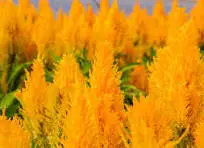
Celosia ‘Plumed Fresh Look Gold’ is a vibrant and easy-to-grow annual prized for its brilliant, feathery golden-yellow plumes. These upright, flame-like flower heads rise above attractive green foliage, creating a bold splash of color in garden beds, borders, and containers. The plants are compact and bushy—typically around 12–16 inches tall—and bloom continuously from summer into fall, even in hot, humid weather.Interesting Fact: Unlike some celosias, ‘Plumed Fresh Look Gold’ maintains its bright color even when the plumes age or after rain, making it a reliable choice for long-lasting garden color. Additionally, these flowers are deer resistant and can be used both fresh and dried for arrangements!
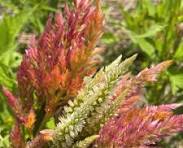
Celosia Wheat Flamingo Feather
Celosia ‘Wheat Flamingo Feather’ is a unique, ornamental annual known for its soft, spiky flower heads that resemble stalks of wheat. The blooms are a blend of silvery pink and blush tones, creating an airy, delicate effect atop upright stems that reach 2–3 feet tall. With its slender, grass-like appearance and shimmering pastel hues, ‘Flamingo Feather’ celosia adds elegant texture and movement to garden beds, borders, and fresh or dried floral arrangements.Interesting Fact: ‘Wheat Flamingo Feather’ celosia is highly valued by florists for its exceptional vase life and ability to retain color and shape when dried. Its ethereal plumes are also popular in wedding bouquets and decorative crafts, bringing a touch of softness and sophistication to any arrangement!
Cut and Come Again Zinnias
Cut and Come Again zinnias are a beloved variety of zinnia prized for their prolific, continuous blooming habit. These compact, bushy plants produce an abundance of small, double or semi-double daisy-like flowers in a bright mix of colors, including red, pink, orange, yellow, and white. When flowers are cut for bouquets, the plants quickly send up new stems and blooms, ensuring a steady supply of fresh flowers from early summer until frost. This makes them perfect for gardeners who love to enjoy homegrown bouquets all season long.Interesting Fact: The more you harvest flowers from Cut and Come Again zinnias, the more they produce! Regularly cutting blooms encourages branching and stimulates the plants to set even more buds, making them one of the best choices for a continuous, vibrant display in both gardens and vases.
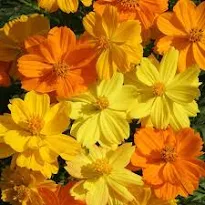
Cosmos Bright Lights
Cosmos ‘Bright Lights’ is a vibrant, easy-to-grow annual renowned for its cheerful, daisy-like blooms in brilliant shades of orange, gold, and yellow. The plants reach 2–3 feet tall and feature finely divided, ferny foliage that gives an airy, graceful appearance. ‘Bright Lights’ cosmos bloom profusely from midsummer until frost, creating a lively display of warm colors that attract butterflies and pollinators to garden beds, borders, and wildflower meadows.Interesting Fact: Unlike many other cosmos varieties, ‘Bright Lights’ is especially heat- and drought-tolerant, thriving even in poor soils and challenging garden conditions. This resilience makes it a favorite for low-maintenance landscapes and pollinator gardens!
Cosmos Versailles Mix
Cosmos ‘Versailles Mix’ is a charming blend of tall, graceful annuals known for their large, daisy-like blooms in shades of pink, carmine, and white. Each flower features broad petals and a cheerful yellow center, perched atop slender stems that can reach up to 4 feet tall. The plants have delicate, feathery foliage and produce masses of blooms from midsummer to frost, creating a soft, romantic look in borders, cottage gardens, and cutting gardens.Interesting Fact: ‘Versailles Mix’ cosmos are especially popular with cut flower enthusiasts because of their long stems and exceptional vase life. Their tall, airy habit makes them a favorite for creating natural-looking, loose bouquets and arrangements that last for days indoors!
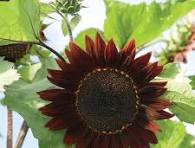
Rouge Royale Sunflower
Rouge Royale sunflower is a stunning annual variety celebrated for its deep, velvety red petals that set it apart from traditional yellow sunflowers. The large, eye-catching blooms can reach 5–6 inches across and feature a dark, chocolate-brown center, creating a dramatic and elegant effect in the garden or as a cut flower. The plants are typically sturdy and can grow 5–6 feet tall, making them ideal as a bold focal point in garden beds and borders.Interesting Fact: Rouge Royale sunflowers are not only beautiful but also excellent for attracting pollinators like bees and butterflies. Additionally, their seeds can provide food for birds in late summer and fall, making them a valuable choice for supporting local wildlife!
California Giant Zinnias
California Giant zinnias are impressive annual flowers known for their enormous, showy blooms that can reach up to 5–6 inches across. These zinnias come in a vibrant array of colors, including red, pink, orange, yellow, lavender, and white, often with double or semi-double petals. The tall, sturdy plants typically grow 3–4 feet high, making them excellent for the back of borders, mass plantings, and stunning cut flower arrangements. Their long-lasting blooms appear from mid-summer until frost, adding bold, cheerful color to any garden.Interesting Fact: California Giant zinnias are not only a favorite among gardeners for their size and color, but their large, open blooms are also magnets for butterflies and other pollinators—making them a fantastic choice for creating a lively, pollinator-friendly landscape!
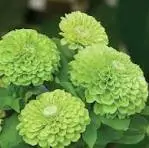
Green Zinnias
Green zinnias are unique and eye-catching annual flowers celebrated for their fresh, lime-green blooms that stand out in any garden setting. These zinnias typically produce double or semi-double flowers, ranging from 2 to 4 inches across, on sturdy, upright stems. Their unusual color adds an elegant and modern touch to mixed borders, cutting gardens, and floral arrangements, where they pair beautifully with both bold and pastel hues. Green zinnias bloom prolifically from midsummer until frost, providing continuous interest and vibrant contrast.Interesting Fact: Green zinnias are especially prized by floral designers because their striking color acts as a versatile “neutral,” blending seamlessly with any bouquet or arrangement and making other colors pop. They’re also just as attractive to pollinators as their more colorful cousins!
Celosia Texas Plume
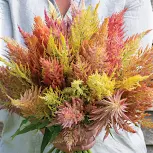
Celosia ‘Texas Plume’ is an eye-catching annual renowned for its tall, feathery flower spikes that resemble vibrant, upright flames. These plumes bloom in a rich mix of colors, including vivid red, orange, yellow, pink, and purple, creating a dazzling display in garden beds, borders, and floral arrangements. ‘Texas Plume’ celosia plants are typically robust and reach heights of 2–3 feet, with lush green foliage that provides a striking backdrop for the brightly colored blooms. The flowers appear from summer through fall, thriving in full sun and warm conditions.Interesting Fact: ‘Texas Plume’ celosia is not only a favorite for fresh summer bouquets but is also excellent for drying. When harvested and dried, the plumes retain their brilliant colors for months, making them perfect for everlasting arrangements and craft projects!
Cosmos Sonata Mix
Cosmos ‘Sonata Mix’ is a compact and early-flowering variety celebrated for its abundance of charming, daisy-like blooms in shades of white, pink, rose, and carmine. Growing to just 1–2 feet tall, ‘Sonata Mix’ is perfect for borders, containers, and small gardens, offering a neat, bushy habit with finely cut, feathery foliage. These prolific bloomers provide a continuous splash of color from early summer through fall, attracting pollinators and brightening up any garden space.Interesting Fact: ‘Sonata Mix’ cosmos was specially bred for its compact size and uniform growth, making it ideal for urban gardens and patio containers. Despite its petite stature, it’s just as attractive to butterflies and bees as taller cosmos varieties, supporting pollinators even in limited spaces!
African Marigold Mix
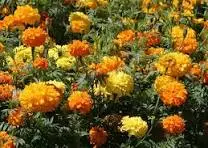
African Marigold Mix is a robust, sun-loving annual famous for its large, globe-shaped blooms in brilliant shades of yellow, gold, and orange. These marigolds feature dense, ruffled petals and can reach 2–4 feet in height, adding bold color and texture to garden beds, borders, and containers. The lush, dark green foliage contrasts beautifully with the vibrant flowers, which bloom continuously from early summer to frost. African marigolds are also valued for their resilience—thriving in hot, dry conditions and tolerating poor soil.Interesting Fact: African marigolds are not only decorative but also have natural pest-repellent properties. Their strong scent helps deter nematodes and other harmful insects, making them a great companion plant for vegetable gardens!
Celosia Lilliput Kewpie
Celosia ‘Lilliput Kewpie’ is a charming, compact annual prized for its small, rounded flower heads that resemble colorful pom-poms. These blooms come in a delightful mix of vivid shades such as pink, red, orange, and yellow, adding playful color to beds, borders, and containers. The neat, bushy plants typically reach about 8–12 inches tall, making them perfect for the front of garden displays or as an eye-catching addition to patio pots. ‘Lilliput Kewpie’ celosia blooms continuously from summer into early fall, creating a cheerful, long-lasting display.Interesting Fact: Despite their petite size, ‘Lilliput Kewpie’ celosias are excellent for both fresh and dried arrangements. The dense flower heads retain their color and shape when dried, making them ideal for crafts and everlasting bouquets—plus, their compact size makes them perfect for miniature floral designs!
Coleus Ruby Fairway
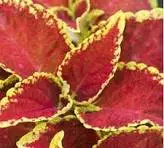
Coleus ‘Ruby Fairway’ is a striking foliage plant prized for its compact growth habit and vibrant, ruby-red leaves edged with contrasting green or bronze margins. The lush, velvety foliage forms dense, bushy mounds about 10–12 inches tall, making ‘Ruby Fairway’ ideal for borders, containers, and shaded garden beds. Its brilliant coloration provides season-long interest, brightening up even the shadiest corners of the garden.Interesting Fact: Coleus ‘Ruby Fairway’ is not only shade-tolerant but also easy to propagate—simply snip a stem and root it in water or moist soil. This makes it a favorite for gardeners who enjoy sharing plants or multiplying their favorite varieties throughout the garden!
Jewls of Opar
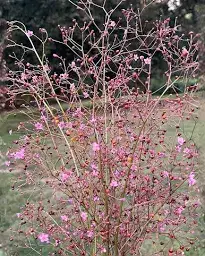
Jewels of Opar (Talinum paniculatum) is an enchanting annual or tender perennial known for its succulent, bright green foliage and airy sprays of tiny, star-shaped pink flowers. As the blooms fade, they are replaced by clusters of glistening, bead-like red or coral seed pods that resemble jewels, giving the plant its evocative name. Compact and easy to grow, Jewels of Opar thrives in sunny beds, borders, rock gardens, and containers, often self-seeding for a delightful surprise each season.Interesting Fact: Jewels of Opar is not just ornamental—its tender young leaves are edible and have been used as a spinach substitute in various cuisines around the world, adding both beauty and utility to the garden!
Other Plants in My Garden
Belinda's Dream
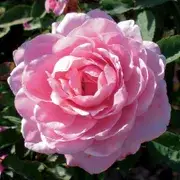
Belinda’s Dream rose is a beloved shrub rose variety renowned for its large, fully double, bubblegum-pink blooms with a classic rose fragrance. The flowers appear repeatedly throughout the growing season, with each blossom measuring up to 4–5 inches across and boasting a lush, romantic form. The bush itself is vigorous, rounded, and disease-resistant, featuring glossy, dark green foliage that provides a beautiful contrast to the abundant blooms. Belinda’s Dream is prized for its easy care, strong performance in hot and humid climates, and reliable repeat blooming in landscapes or as a cut flower.Interesting Fact: Belinda’s Dream was the first rose to be named an “Earth-Kind®” rose by Texas A&M University, a designation awarded only to roses that demonstrate outstanding performance with minimal care, making it an excellent choice for sustainable and low-maintenance gardens!
Sunflower
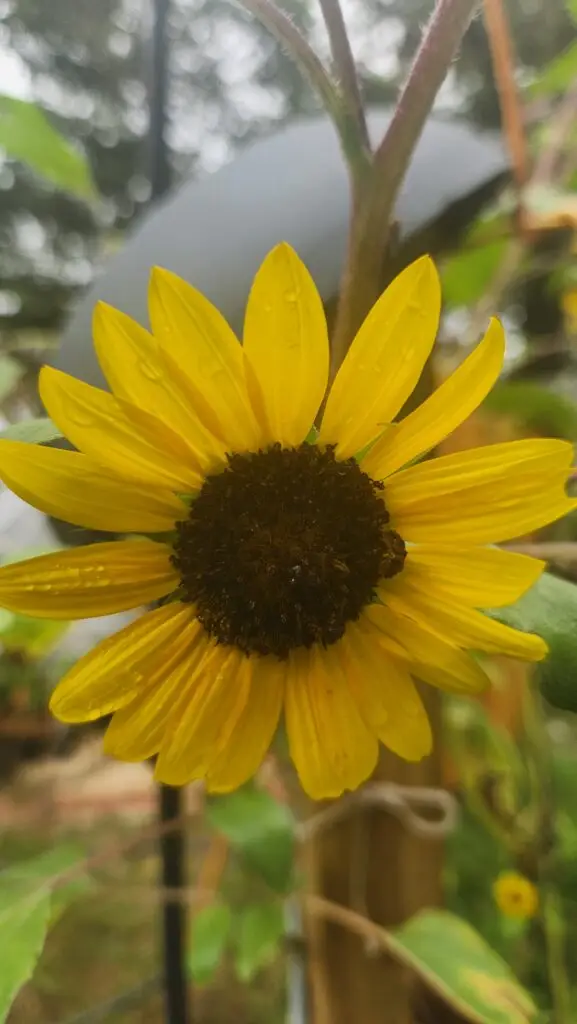
The sunflower (Helianthus annuus) is a striking annual plant known for its large, cheerful flower heads that can reach up to a foot in diameter. With bright yellow petals surrounding a dark central disk, sunflowers stand tall on sturdy, leafy stems—often growing 6 feet or more in height. Their bold blooms turn to face the sun throughout the day, creating a vibrant display in gardens, meadows, and fields. Sunflowers are not only visually stunning but also attract pollinators and provide seeds enjoyed by birds, wildlife, and people alike.Interesting Fact: Sunflowers exhibit a behavior called heliotropism—their buds and young blooms actively track the sun from east to west during the day, maximizing photosynthesis. Once mature, the flowers typically settle facing east to attract pollinators in the warm morning sun!
Angelonia
Lavender angelonia (Angelonia angustifolia), often called “summer snapdragon,” is a heat-loving annual prized for its elegant spikes of delicate, lavender-purple flowers. The blossoms resemble tiny orchids and bloom profusely from late spring through fall, rising above lush, glossy green foliage. Lavender angelonia plants are compact and upright, typically reaching 12–18 inches tall, making them perfect for borders, containers, and sunny garden beds. They are drought-tolerant, low-maintenance, and attract pollinators such as bees and butterflies.Interesting Fact: Lavender angelonia is often called the “summer snapdragon” because, unlike true snapdragons, it thrives and blooms continuously in hot, humid weather—making it a favorite for summer gardens in warm climates!
Red Floribunda Rose
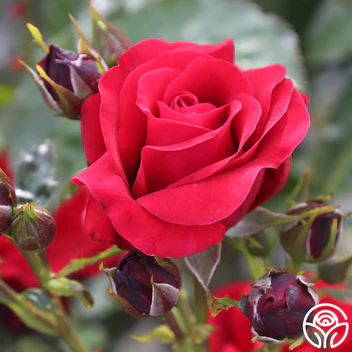
A red floribunda rose is a vibrant, hardy shrub known for its clusters of brilliant red blooms that appear repeatedly throughout the growing season. Each flower is typically medium-sized, with a classic rose shape and a light, pleasant fragrance. Floribundas are celebrated for their prolific blooming habit, producing dozens of blossoms at once on bushy, compact plants that usually grow 2–4 feet tall. Their glossy, dark green foliage provides a striking backdrop for the vivid red flowers, making them a favorite for borders, mass plantings, and cutting gardens.Interesting Fact: Floribunda roses were developed by crossing hybrid teas with polyantha roses, combining the best traits of both: the abundant, cluster-style blooms of polyanthas and the wider color range and elegant form of hybrid teas. This makes red floribundas both beautiful and exceptionally reliable in gardens!
Rocket Tall Hybrid Mix Snapdragons
Rocket Tall Hybrid Mix is a striking variety of snapdragon (Antirrhinum majus) known for its tall, sturdy spikes covered with densely packed, vibrant blooms. The mix features a wide range of colors, including red, pink, yellow, white, orange, and purple, creating a lively and eye-catching display in garden beds and borders. These snapdragons can reach heights of 2–3 feet, making them ideal for the back of borders or as a dramatic focal point in floral arrangements. The flowers bloom from late spring through fall and are excellent for cutting, attracting pollinators like bees and butterflies to the garden.Interesting Fact: Snapdragon flowers, including those in the Rocket Tall Hybrid Mix, have a unique "mouth" that opens and closes when squeezed at the sides—a fun feature that gives them their common name. This playful trait makes them a favorite among children and adds interactive charm to any garden!
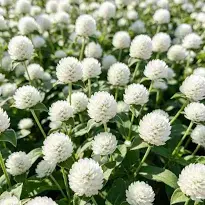
Globe Amaranth
White globe amaranth (Gomphrena globosa) is a charming annual prized for its small, perfectly round flower heads that resemble clover and shine in crisp, pure white. The sturdy, upright plants grow about 12–24 inches tall, producing abundant blooms atop slender stems from summer until frost. The papery texture of the flowers helps them hold their shape and color exceptionally well, making white globe amaranth a favorite for borders, containers, and especially for fresh or dried floral arrangements.Interesting Fact: Globe amaranth flowers, including the white variety, are renowned for their long-lasting beauty as dried flowers. When harvested and dried properly, they retain their color and form for months or even years, making them a popular choice for everlasting bouquets and craft projects!
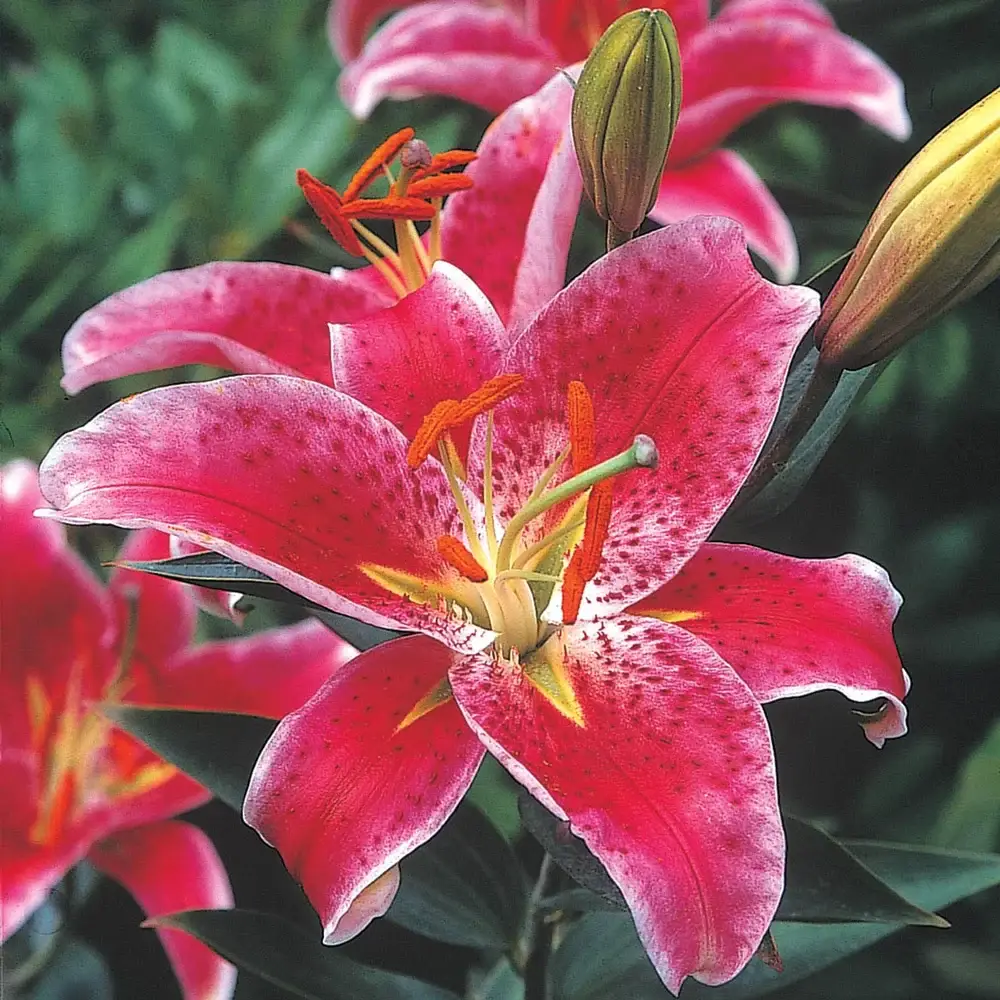
Stargazer Lily
The Stargazer lily (Lilium ‘Stargazer’) is a spectacular hybrid Oriental lily celebrated for its large, upward-facing blooms in striking shades of deep pink, rose, and white, with distinctive freckles and a vibrant, sweet fragrance. Each flower can measure up to 6 inches across, perched atop sturdy stems that reach 2–4 feet tall. The lush, lance-shaped green leaves provide a graceful backdrop for the dramatic flowers, which bloom in midsummer and make stunning additions to garden beds, borders, and cut flower arrangements.Interesting Fact: Stargazer lilies were bred in the 1970s to overcome the tendency of traditional Oriental lilies to have downward-facing blooms. Their “stargazing” upward orientation not only makes them more visually striking in the garden but also symbolizes hope and aspiration—making them a popular choice for celebrations and bouquets!
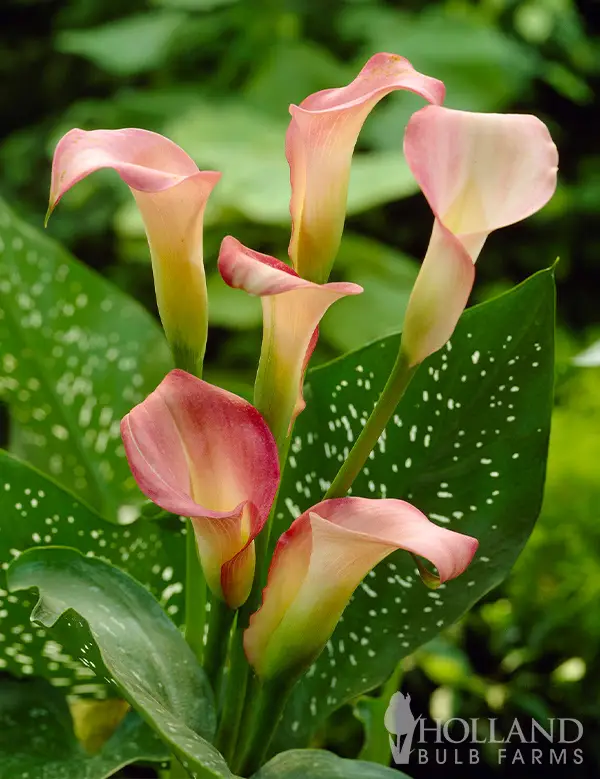
Bridal Blush Calla Lilly
Bridal Blush calla lily (Zantedeschia ‘Bridal Blush’) is an elegant and graceful perennial prized for its slender, trumpet-shaped blooms in soft, creamy white to pale blush-pink hues. The flowers rise above glossy, arrow-shaped green leaves, creating a sophisticated and romantic appearance perfect for weddings, bouquets, and garden borders. Blooming from late spring to midsummer, Bridal Blush calla lilies add a touch of timeless beauty and gentle color to both garden beds and containers.Interesting Fact: Calla lilies, including the Bridal Blush variety, are not true lilies but belong to the arum family. Their blooms are actually modified leaves called spathes, which surround a central spike (spadix) of tiny true flowers—adding an intriguing botanical twist to their elegant look!
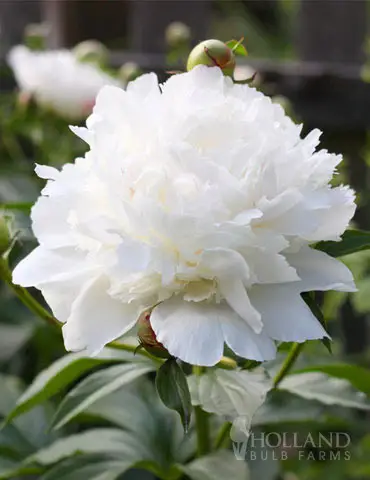
Shirly Temple Peony
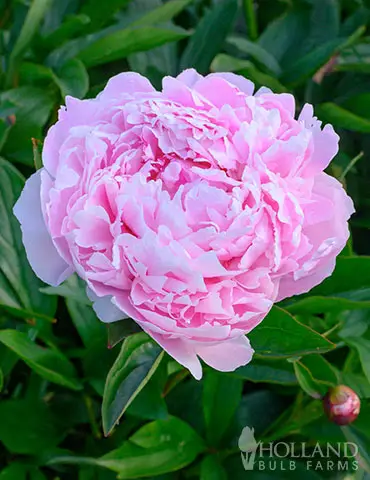
The Shirley Temple peony (Paeonia lactiflora ‘Shirley Temple’) is a beloved herbaceous perennial celebrated for its large, fully double blooms that open blush pink and gradually fade to a creamy white as they mature. Each fragrant flower can reach up to 8 inches across, with ruffled, soft petals that create a lush, romantic effect. The sturdy, bushy plants grow 2–3 feet tall, with rich green foliage that provides a beautiful backdrop for the abundant, showy blossoms in late spring to early summer. Shirley Temple peonies are cherished for their classic beauty, strong stems, and exceptional performance both as garden specimens and cut flowers.Interesting Fact: Shirley Temple peony flowers are named after the famous child actress Shirley Temple, reflecting their charming, sweet appearance. With proper care, peony plants can live and bloom in the same spot for decades—sometimes even over 50 years—making them a treasured heirloom in many gardens!
Sarah Bernhardt Peony
The Sarah Bernhardt peony (Paeonia lactiflora ‘Sarah Bernhardt’) is a classic and much-loved perennial renowned for its enormous, fully double blooms in soft, shell-pink hues. Each flower is densely packed with ruffled, delicately scented petals and can measure up to 8 inches across. Blooming in late spring to early summer, these peonies grow on sturdy, upright stems reaching 2–3 feet tall, adorned with rich green, deeply cut foliage. Sarah Bernhardt peonies are prized for their romantic, old-fashioned beauty, prolific flowering, and outstanding performance in both garden beds and cut flower arrangements.Interesting Fact: Named after the famous French stage actress Sarah Bernhardt, this peony has been cherished by gardeners for over a century and remains one of the most popular peony varieties worldwide. Its blooms are highly sought after for wedding bouquets and can last up to a week or more in a vase with proper care!
Silver Dollar Eucalyptis Cinera
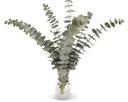
The Silver Dollar Eucalyptus is an eye-catching evergreen tree known for its round, silvery-blue leaves that resemble coins, which is how it earned its common name. Native to southeastern Australia, this tree is prized for its aromatic foliage, often used in floral arrangements and home décor. Its leaves also produce a refreshing scent and are a source of essential oils. The Silver Dollar Eucalyptus can grow up to 30 feet tall and is drought-tolerant once established, making it a popular ornamental choice in suitable climates. Interesting fact: The leaves of the Silver Dollar Eucalyptus contain natural compounds that help repel insects, making them useful as a natural insect deterrent in gardens and homes.
Elainealope Tall Bearded Iris
The Elainealope Tall Bearded Iris is a striking perennial flower, celebrated for its large, ruffled petals and signature “beard”—a fuzzy line on the falls (lower petals) that gives this group of irises their name. The Elainealope variety often features unique color combinations, such as rich purples, blues, or bi-color blends, making it stand out in any garden setting. These irises typically bloom from late spring to early summer and can reach heights of up to 3 feet. They thrive in full sun and well-drained soil, adding dramatic beauty to flower beds and borders.Interesting fact: Bearded irises, including Elainealope, are exceptionally long-lived. When cared for properly, they can thrive and bloom in the same location for decades, with their flower displays often becoming more impressive each year.The Elainealope Tall Bearded Iris is a striking perennial flower, celebrated for its large, ruffled petals and signature “beard”—a fuzzy line on the falls (lower petals) that gives this group of irises their name. The Elainealope variety often features unique color combinations, such as rich purples, blues, or bi-color blends, making it stand out in any garden setting. These irises typically bloom from late spring to early summer and can reach heights of up to 3 feet. They thrive in full sun and well-drained soil, adding dramatic beauty to flower beds and borders.Interesting fact: Bearded irises, including Elainealope, are exceptionally long-lived. When cared for properly, they can thrive and bloom in the same location for decades, with their flower displays often becoming more impressive each year.
Stargazer Lily
The Stargazer lily (Lilium ‘Stargazer’) is a spectacular hybrid Oriental lily celebrated for its large, upward-facing blooms in striking shades of deep pink, rose, and white, with distinctive freckles and a vibrant, sweet fragrance. Each flower can measure up to 6 inches across, perched atop sturdy stems that reach 2–4 feet tall. The lush, lance-shaped green leaves provide a graceful backdrop for the dramatic flowers, which bloom in midsummer and make stunning additions to garden beds, borders, and cut flower arrangements.Interesting Fact: Stargazer lilies were bred in the 1970s to overcome the tendency of traditional Oriental lilies to have downward-facing blooms. Their “stargazing” upward orientation not only makes them more visually striking in the garden but also symbolizes hope and aspiration—making them a popular choice for celebrations and bouquets!
Yellow Floribunda Rose
Bridal Blush calla lily (Zantedeschia ‘Bridal Blush’) is an elegant and graceful perennial prized for its slender, trumpet-shaped blooms in soft, creamy white to pale blush-pink hues. The flowers rise above glossy, arrow-shaped green leaves, creating a sophisticated and romantic appearance perfect for weddings, bouquets, and garden borders. Blooming from late spring to midsummer, Bridal Blush calla lilies add a touch of timeless beauty and gentle color to both garden beds and containers.Interesting Fact: Calla lilies, including the Bridal Blush variety, are not true lilies but belong to the arum family. Their blooms are actually modified leaves called spathes, which surround a central spike (spadix) of tiny true flowers—adding an intriguing botanical twist to their elegant look!
Shirly Temple Peony
The Shirley Temple peony (Paeonia lactiflora ‘Shirley Temple’) is a beloved herbaceous perennial celebrated for its large, fully double blooms that open blush pink and gradually fade to a creamy white as they mature. Each fragrant flower can reach up to 8 inches across, with ruffled, soft petals that create a lush, romantic effect. The sturdy, bushy plants grow 2–3 feet tall, with rich green foliage that provides a beautiful backdrop for the abundant, showy blossoms in late spring to early summer. Shirley Temple peonies are cherished for their classic beauty, strong stems, and exceptional performance both as garden specimens and cut flowers.Interesting Fact: Shirley Temple peony flowers are named after the famous child actress Shirley Temple, reflecting their charming, sweet appearance. With proper care, peony plants can live and bloom in the same spot for decades—sometimes even over 50 years—making them a treasured heirloom in many gardens!
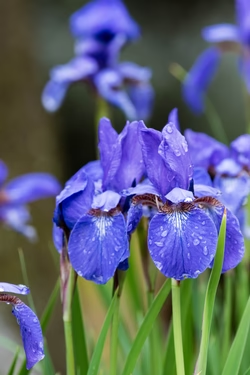
Siberian Iris
The Siberian Iris (Iris sibirica) is a perennial plant admired for its slender, grass-like foliage and delicate, upright flowers. Native to northern and central Europe and parts of Asia, this iris produces elegant blooms in shades of blue, violet, white, and sometimes yellow. Siberian Irises typically flower in late spring to early summer and are known for forming attractive clumps that add vertical interest to gardens. Unlike bearded irises, Siberian Irises have smooth, beardless petals and are notably hardy, thriving in both full sun and partial shade with minimal care.
Interesting fact: Siberian Irises are particularly resilient to wet conditions and are often planted in rain gardens or near ponds, where their robust root systems help prevent soil erosion
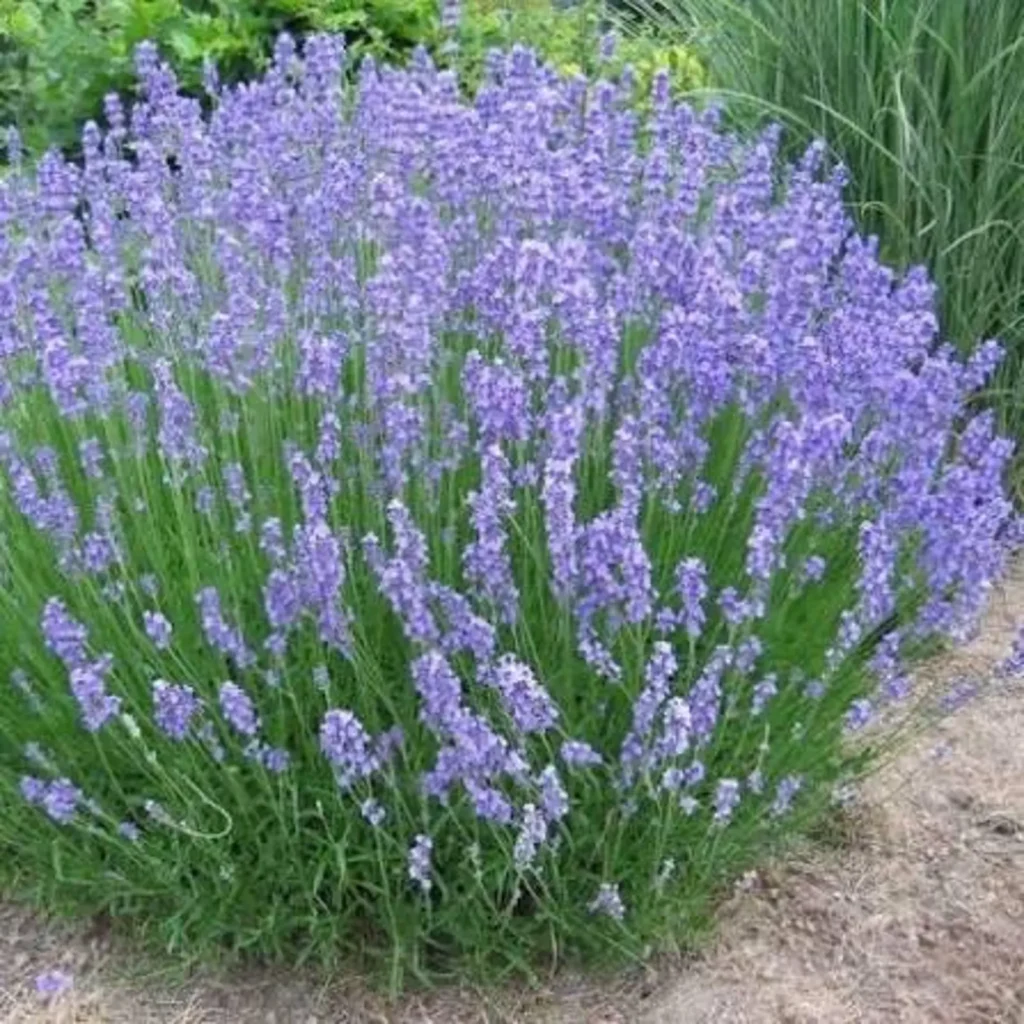
Lavender
Lavender (Lavandula spp.) is a beloved perennial herb known for its fragrant, silvery-green foliage and slender spikes of delicate purple-blue flowers. Blooming from late spring through summer, lavender forms neat, compact mounds—typically 1–3 feet tall—making it ideal for borders, herb gardens, containers, and even low hedges. Its aromatic blooms are not only beautiful but also attract bees, butterflies, and other pollinators, while the plant’s essential oils are valued in aromatherapy and culinary uses.Interesting Fact: Lavender has been used for centuries to promote relaxation and restful sleep. In ancient times, Romans and Greeks added lavender to their baths and bedding for its calming scent—a tradition that continues today in sachets, pillows, and essential oils!
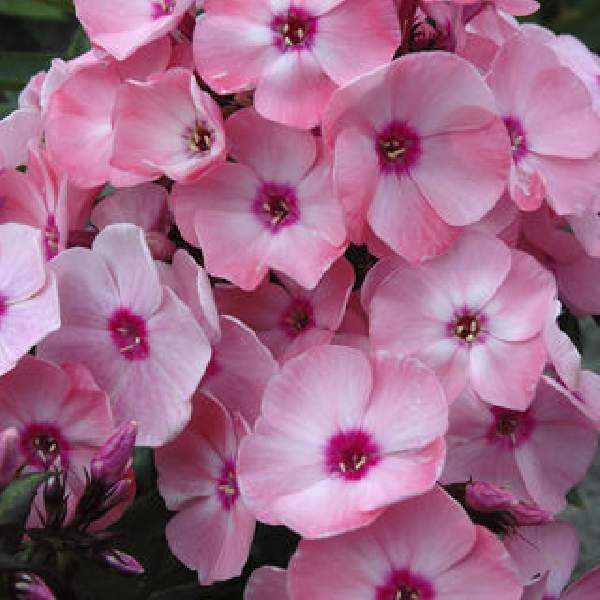
Phlox Salmon Orange Dark Eyes
This vibrant phlox variety features striking salmon-orange petals accented by deep, dark centers (or “eyes”), creating a dramatic and colorful contrast in the garden. The flowers bloom in dense, fragrant clusters atop sturdy stems, making them a standout in flower beds, borders, or cottage gardens. Phlox is a perennial favorite for its extended blooming period—often from early summer into fall—and its ability to thrive in full sun to partial shade with well-drained soil. These cheerful blooms not only add brightness to landscapes but also attract butterflies and other pollinators.
Interesting fact: Phlox flowers have a sweet, subtle fragrance that becomes more pronounced in the evening, making them a wonderful choice for moon gardens or spaces where you enjoy spending time outdoors at dusk.
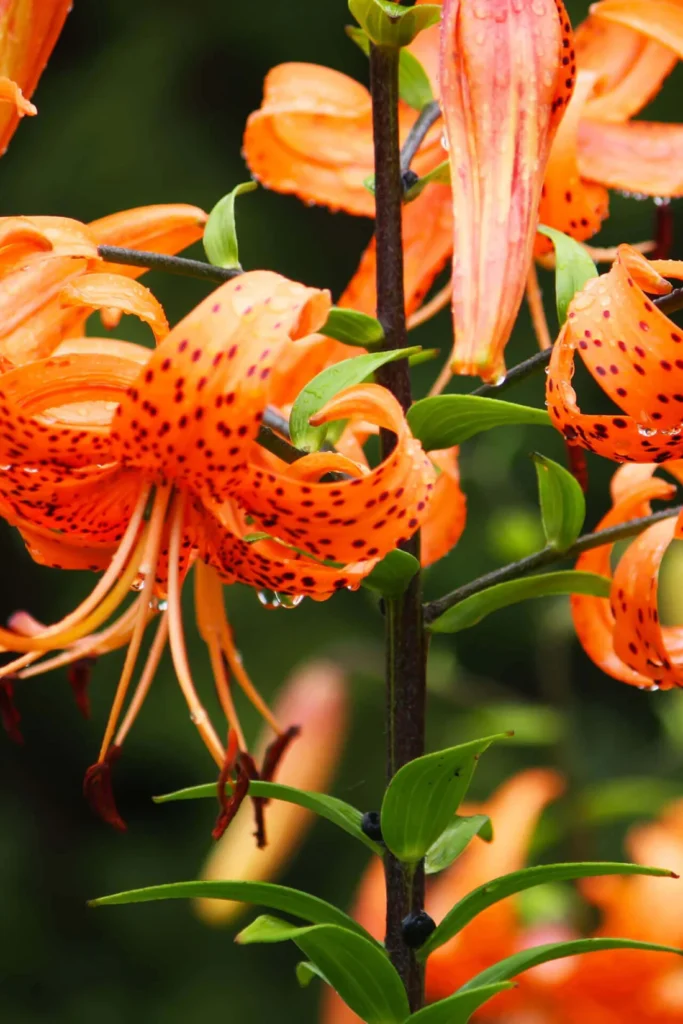
Orange Tiger Lily
The orange tiger lily (Lilium lancifolium) is a striking perennial flower known for its brilliant orange petals speckled with dark spots, resembling a tiger’s coat. Its blooms are trumpet-shaped and grow in clusters atop tall, slender stems, adding a vibrant splash of color to summer gardens.An interesting fact about the tiger lily is that it can reproduce asexually through small bulbils that grow along its stem, allowing the plant to spread easily without seeds.
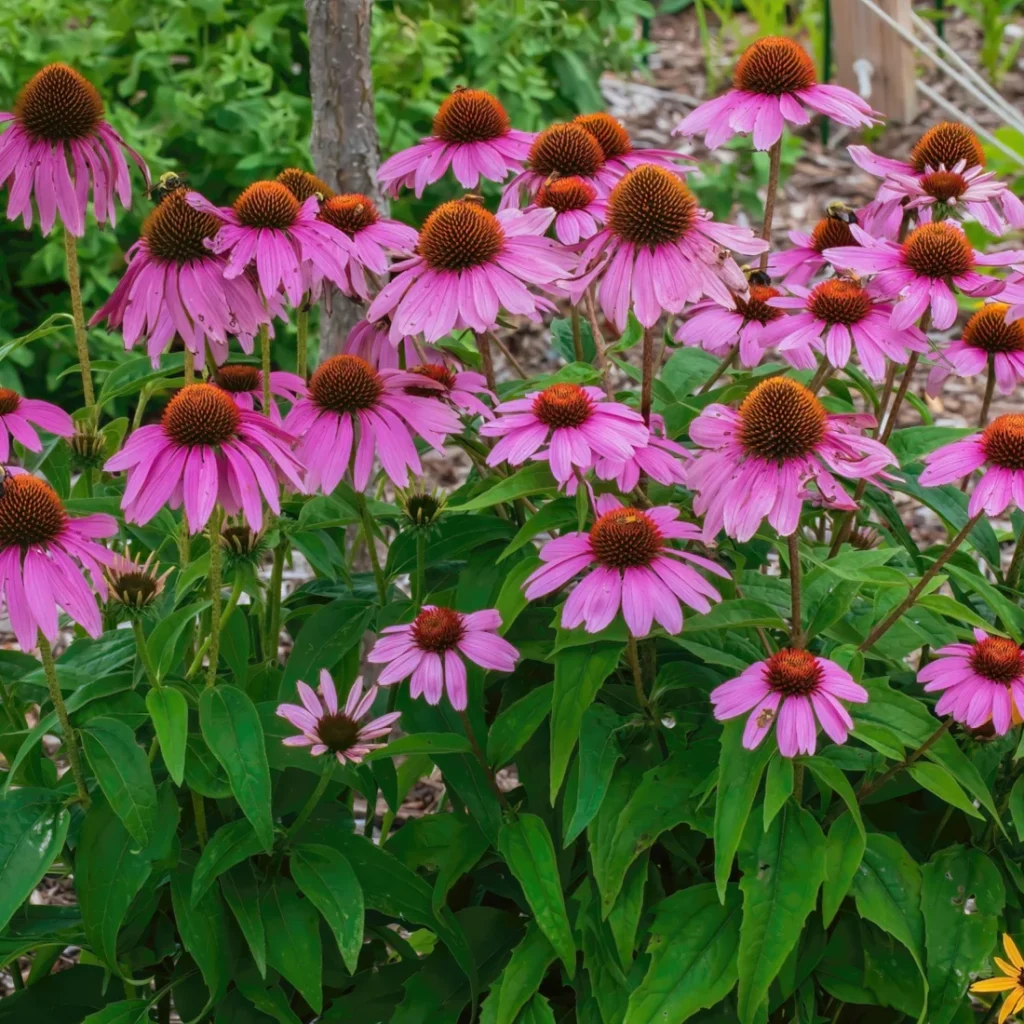
Purple Coneflower
The purple coneflower (Echinacea purpurea) is a hardy perennial native to North America, recognized for its daisy-like appearance with vibrant purple petals that droop away from a prominent, spiky orange-brown center. This plant blooms throughout the summer and attracts pollinators like bees and butterflies, making it a favorite in wildflower gardens.An interesting fact about the purple coneflower is that it has been used for centuries in traditional medicine, particularly by Native American tribes, for its immune-boosting properties. Today, Echinacea is commonly found in herbal supplements and teas.
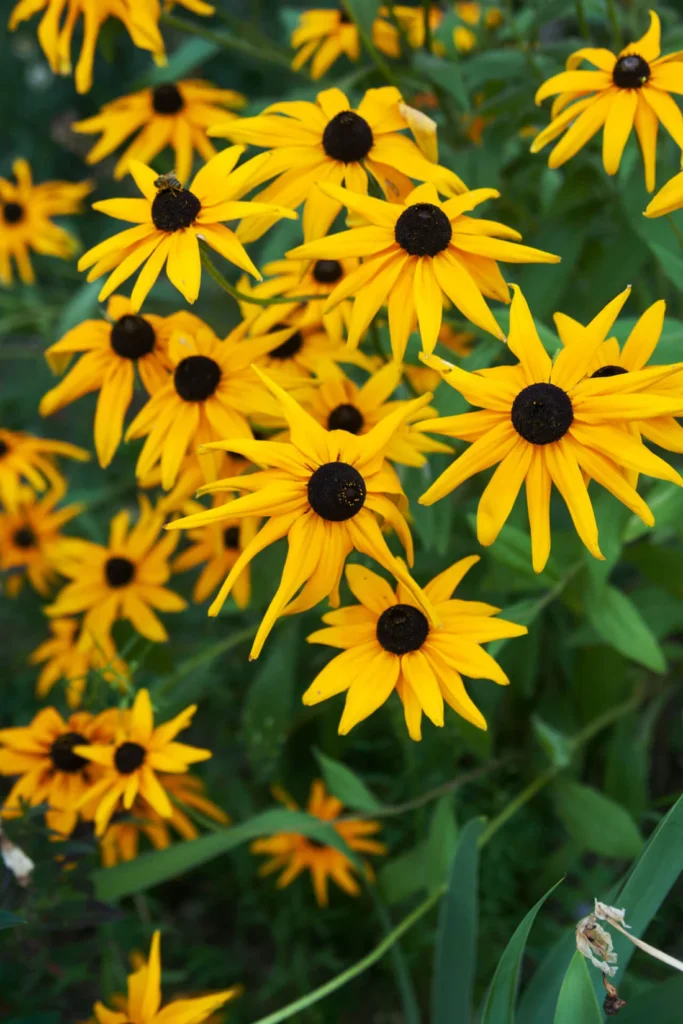
Yellow Coneflower
The yellow coneflower (Ratibida pinnata), also known as the gray-headed coneflower, is a tall, graceful perennial wildflower native to prairies and open woodlands in North America. It features drooping, bright yellow petals surrounding a distinctive, elongated cone-shaped center that starts out gray and matures to brown. Blooming from midsummer to early fall, it adds cheerful color and movement to garden landscapes.An interesting fact about the yellow coneflower is that its deep root system makes it highly drought-tolerant and excellent for restoring native prairie habitats, helping to prevent soil erosion and support local wildlife.
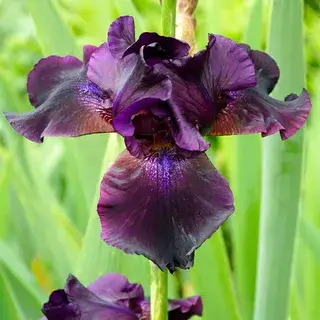
Iris Superstition
The Iris ‘Superstition’ is a dramatic bearded iris cultivar prized for its deep, velvety, near-black blooms. Its ruffled petals shimmer with shades of midnight purple and dark indigo, creating a striking contrast against its sword-like, green foliage. Blooming in late spring to early summer, this iris adds bold sophistication and elegance to any garden setting.An interesting fact about Iris ‘Superstition’ is that, despite its dark color, it can appear to change hue depending on lighting conditions—sometimes looking almost black, while at other times revealing rich purple or blue undertones. This color-shifting quality is especially captivating in both garden beds and floral arrangements.
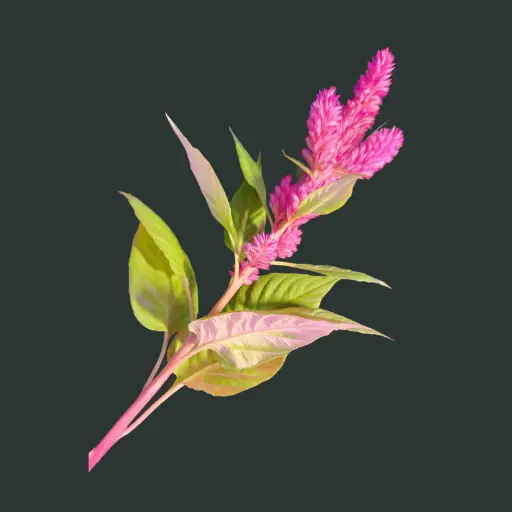
Celosia
The bright pink plumed celosia (Celosia argentea var. plumosa) is an eye-catching annual flower known for its feathery, plume-like flower heads that stand upright in vibrant shades of pink. Its lush, textured blooms create a bold statement in garden beds, containers, and floral arrangements, while the plant’s green foliage provides a beautiful contrast. Plumed celosia blooms throughout the summer and thrives in full sun, bringing lasting color to landscapes.An interesting fact about plumed celosia is that its striking flower heads are not only ornamental but also long-lasting when cut, and they retain their vivid color even when dried, making them popular for use in dried floral crafts and arrangements.
Karl Rosenfeld Peony
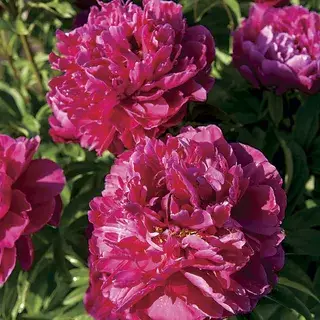
The Karl Rosenfield peony is a classic garden favorite, prized for its large, double blooms of rich, vibrant magenta-red. Each lush flower is densely packed with petals, creating a full, ruffled appearance that stands out in spring and early summer gardens. The sturdy stems and glossy green foliage make this peony ideal for both garden beds and cut flower arrangements, where its beauty and subtle fragrance can be fully appreciated.An interesting fact about the Karl Rosenfield peony is that it is a remarkably long-lived perennial, often thriving and blooming for decades in the same spot with minimal care, sometimes even outlasting the gardener who planted it.
Rome Patio Peony
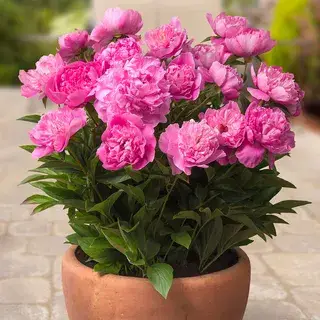
The Rome Patio peony is a compact, elegant variety specially bred for container gardening and small spaces. It features lush, double blooms in soft shades of pink with delicate ruffled petals, creating a romantic and refined display when in flower. The plant’s neat, bushy habit and healthy green foliage make it perfect for patios, balconies, or as a border accent, offering all the charm of traditional peonies in a more manageable size.An interesting fact about the Rome Patio peony is that, despite its smaller stature, it produces full-sized blooms just like its larger garden counterparts, allowing urban gardeners to enjoy the grandeur of classic peonies even in limited spaces.
Canna Lilly
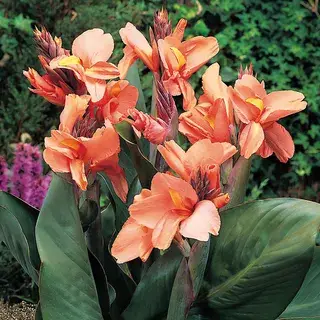
The canna lily (Canna indica) is a bold, tropical-looking perennial known for its large, paddle-shaped leaves and vibrant, showy flowers that range in color from red and orange to yellow and pink. Its towering stems and lush foliage create a dramatic focal point in gardens, borders, or containers, and the plant thrives in warm, sunny locations throughout the summer.An interesting fact about the canna lily is that its edible rhizomes have been used as a food source in many cultures, particularly in South America and Asia, where they are valued for their high starch content and are sometimes ground into flour.
Prarie Blue Daylilly
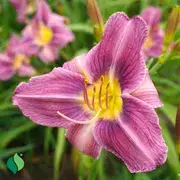
The Prairie Blue daylily is a striking perennial celebrated for its unique, bluish-lavender blooms accented by a contrasting yellow throat. Each flower opens for just one day, but the plant produces numerous buds on arching stems, ensuring a long display of color throughout the summer. Its grass-like, deep green foliage adds texture to borders, garden beds, and naturalized landscapes, while its hardy nature makes it easy to grow and maintain.An interesting fact about the Prairie Blue daylily is that, like all daylilies, its flowers are edible and can be used to add a splash of color and a mild, sweet flavor to salads and culinary dishes.
Planting this fall
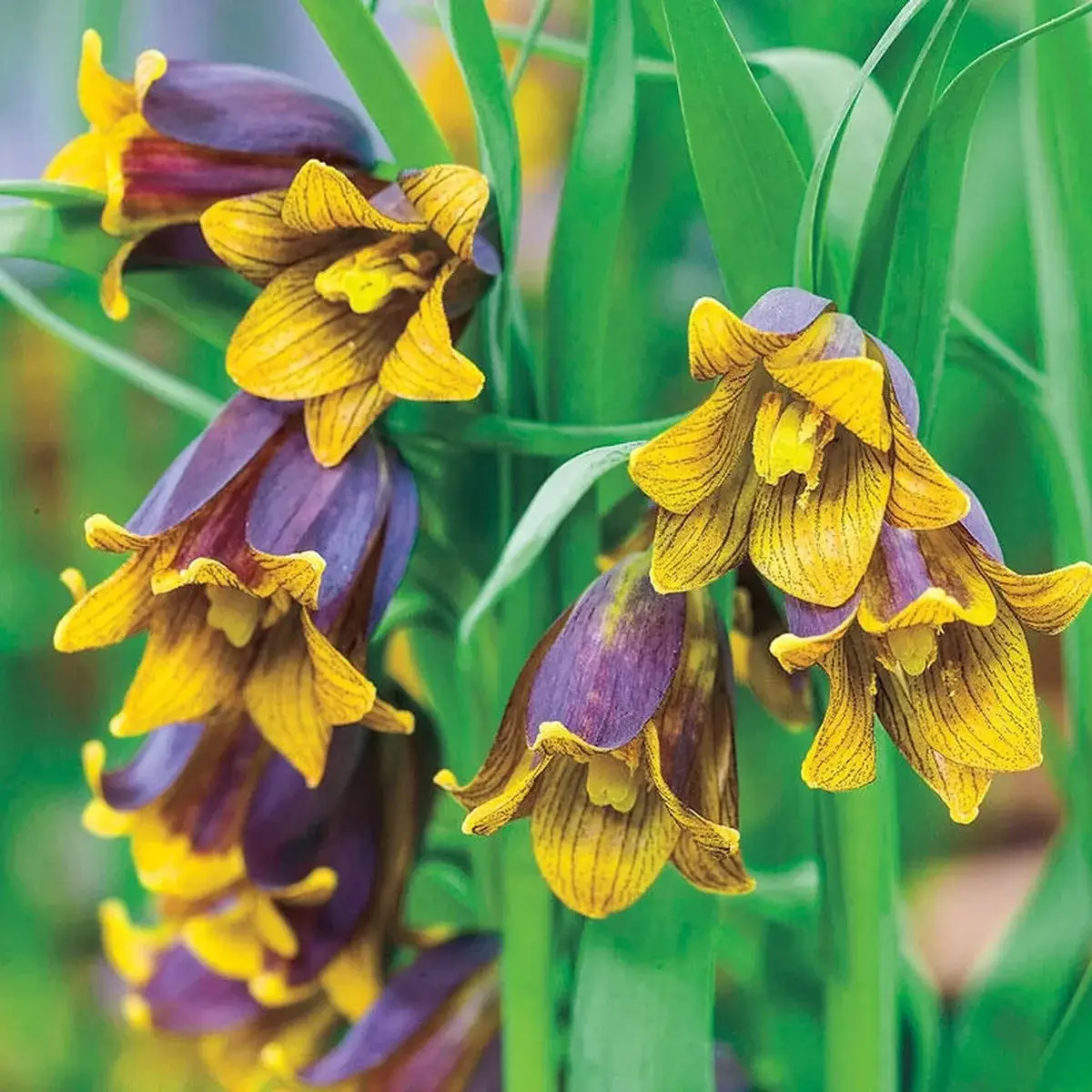
Fritullaria Uva-Vulpis
Fritillaria uva-vulpis, commonly known as Fox’s Grape fritillary, is a delicate and captivating spring-flowering bulb native to the Middle East. This plant features slender, nodding, bell-shaped flowers in shades of deep purple to dusky violet, each with a subtle silvery sheen and contrasting yellow margins. The blooms rise gracefully above narrow, grassy foliage on stems reaching 8–12 inches tall, creating an elegant, understated effect in rock gardens, borders, and naturalized settings. Interesting Fact: The name “uva-vulpis” translates to “fox’s grape,” inspired by the grape-like clusters of the bulbs and the flower’s fox-tail shape. Despite their exotic appearance, Fritillaria uva-vulpis are easy to grow and naturalize well, returning year after year with minimal care!
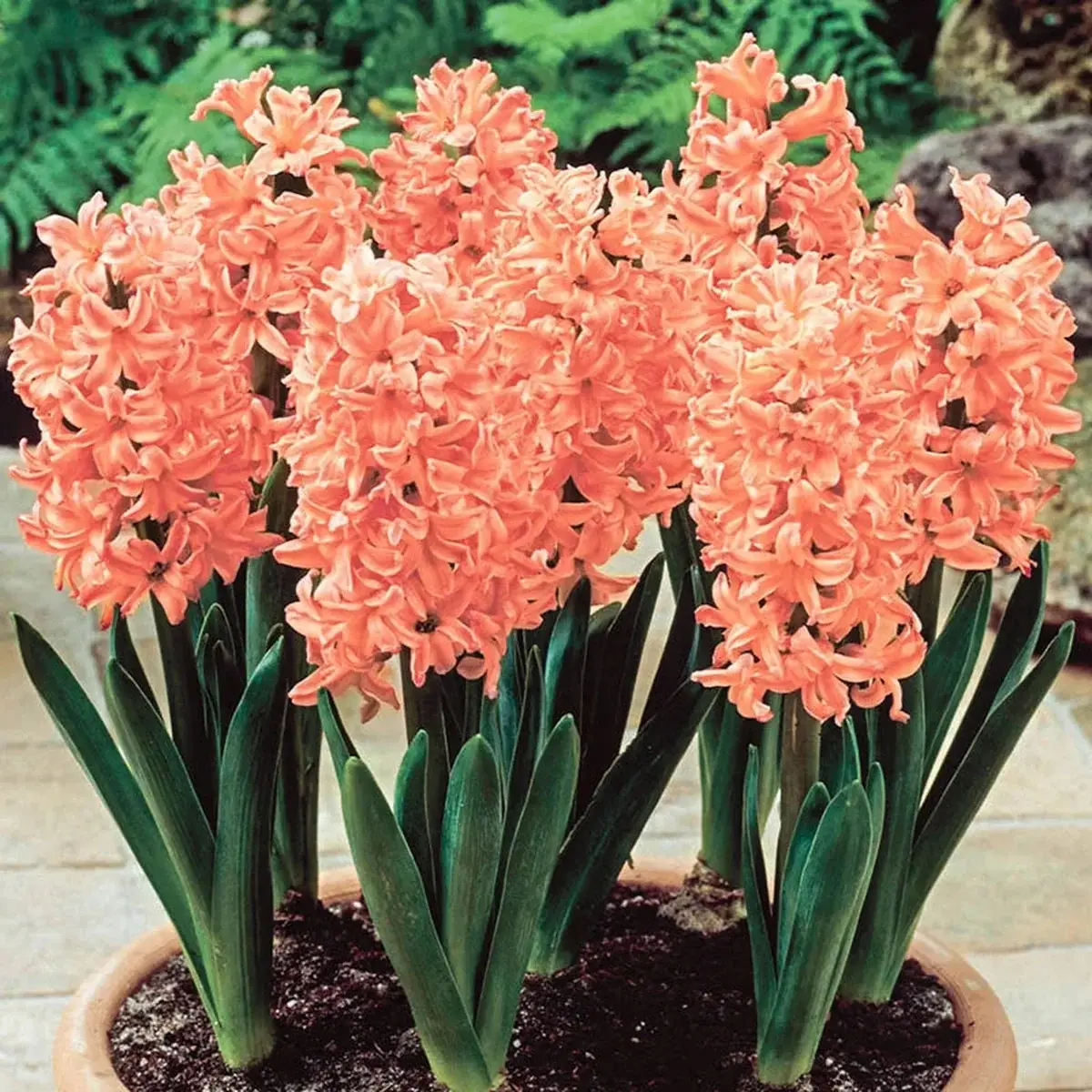
Gypsie Queen Hyacinth
Gypsy Queen hyacinth (Hyacinthus orientalis ‘Gypsy Queen’) is an enchanting spring-blooming bulb renowned for its unique, softly pastel flower spikes. The blooms feature a blend of salmon, apricot, and coral hues, creating a warm, glowing effect in garden beds, borders, and containers. Each dense spike is made up of dozens of star-shaped, delicately scented flowers that stand 8–12 inches tall above vibrant green, strap-like foliage. Gypsy Queen hyacinth is cherished not only for its uncommon color but also for its rich, sweet fragrance that fills the spring air. Interesting Fact: Hyacinths, including Gypsy Queen, are highly prized for forcing indoors during late winter. With a little care, you can enjoy their beautiful blooms and delightful scent inside your home weeks before spring arrives outdoors!
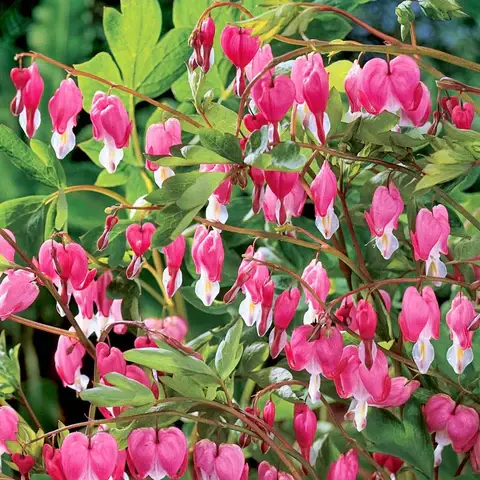
Old Fashioned Beeding Heart
The old-fashioned bleeding heart (Lamprocapnos spectabilis) is a beloved perennial known for its graceful, arching stems adorned with rows of heart-shaped pink and white flowers. Blooming in late spring to early summer, these delicate blossoms dangle like tiny pendants above soft, fern-like foliage, creating a romantic and nostalgic charm in shaded garden spots.An interesting fact about the old-fashioned bleeding heart is that its botanical name was formerly Dicentra spectabilis, and it has been cherished in gardens for centuries—not just for its beauty, but also because its unique flower shape has inspired legends and stories of love and compassion across cultures
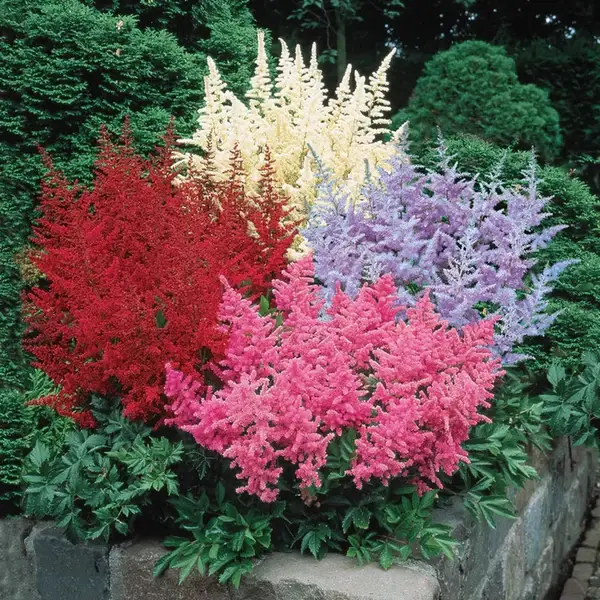
Astilbe Mixed
Mixed color astilbe is a shade-loving perennial known for its elegant, feathery plumes of flowers that come in a beautiful array of colors, including shades of white, pink, red, and lavender. These blooms rise above attractive, fern-like green foliage, creating a soft, airy effect in shaded gardens, borders, and woodland areas. Astilbe plants typically range from 18 to 36 inches tall, and their long-lasting flowers appear from late spring through summer, adding texture and color to spots where many other plants struggle to thrive. Interesting Fact: Astilbe is not only prized for its beauty but also for its deer resistance and ability to attract pollinators—making it a fantastic choice for low-maintenance, wildlife-friendly gardens!
Graceful Beauty Allium
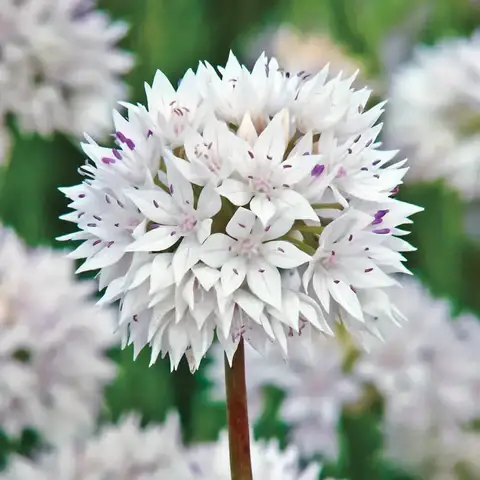
Graceful Beauty allium (Allium ‘Graceful Beauty’) is a stunning ornamental onion prized for its compact size and delicate, star-shaped white flowers with lilac-pink stamens. Blooming in late spring to early summer, each rounded cluster (umbel) is about 2–3 inches across, held aloft on slender 12–18 inch stems above narrow, grass-like leaves. These charming globes add elegance and a whimsical touch to borders, rock gardens, and containers, and their long-lasting blooms are excellent for both fresh and dried arrangements.Interesting Fact: Graceful Beauty allium is not only beautiful but also highly attractive to pollinators like bees and butterflies. Additionally, its onion-scented foliage helps repel deer and rodents, making it a practical as well as a pretty addition to the garden!
Two Months Grape Hyacinth
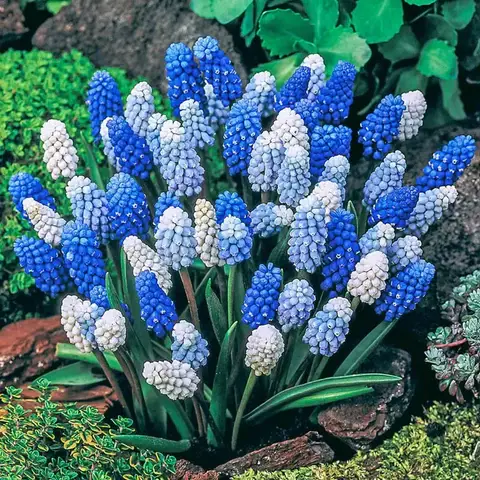
Grape hyacinths (Muscari) are small, perennial spring-blooming bulbs known for their vibrant clusters of blue, purple, or occasionally white flowers. The blossoms resemble tiny clusters of grapes, which gives the plant its common name. These flowers are commonly used in gardens and borders, valued for their hardiness and ability to naturalize, quickly spreading to form colorful carpets in early spring.
Interesting fact: Despite their name and appearance, grape hyacinths are not true hyacinths and are not related to grapes. Their grape-like appearance is purely coincidental, and the flowers are actually part of the asparagus family (Asparagaceae)!
Grape Hyacinth Mixture
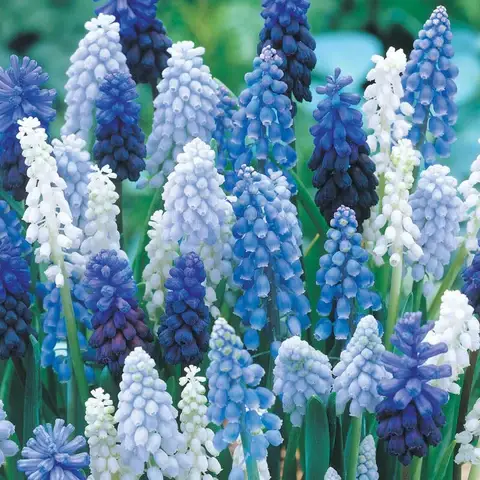
Grape hyacinth mixture (Muscari spp.) is a delightful spring-blooming bulb blend known for its clusters of small, bell-shaped flowers that resemble bunches of grapes. This mix typically features shades of deep blue, purple, and sometimes white, creating a vibrant carpet of color in garden beds, borders, and rock gardens. The compact plants grow about 6–8 inches tall and have slender, grass-like leaves that emerge in early spring. Grape hyacinths are easy to grow, naturalize readily, and return year after year, brightening the garden with their charming blooms.Interesting Fact: Grape hyacinths are not true hyacinths, but belong to a different genus, Muscari. Their sweetly scented flowers are favorites of early pollinators, and once established, they often multiply rapidly, creating beautiful drifts of color with minimal effort!
Grape Hyacinth
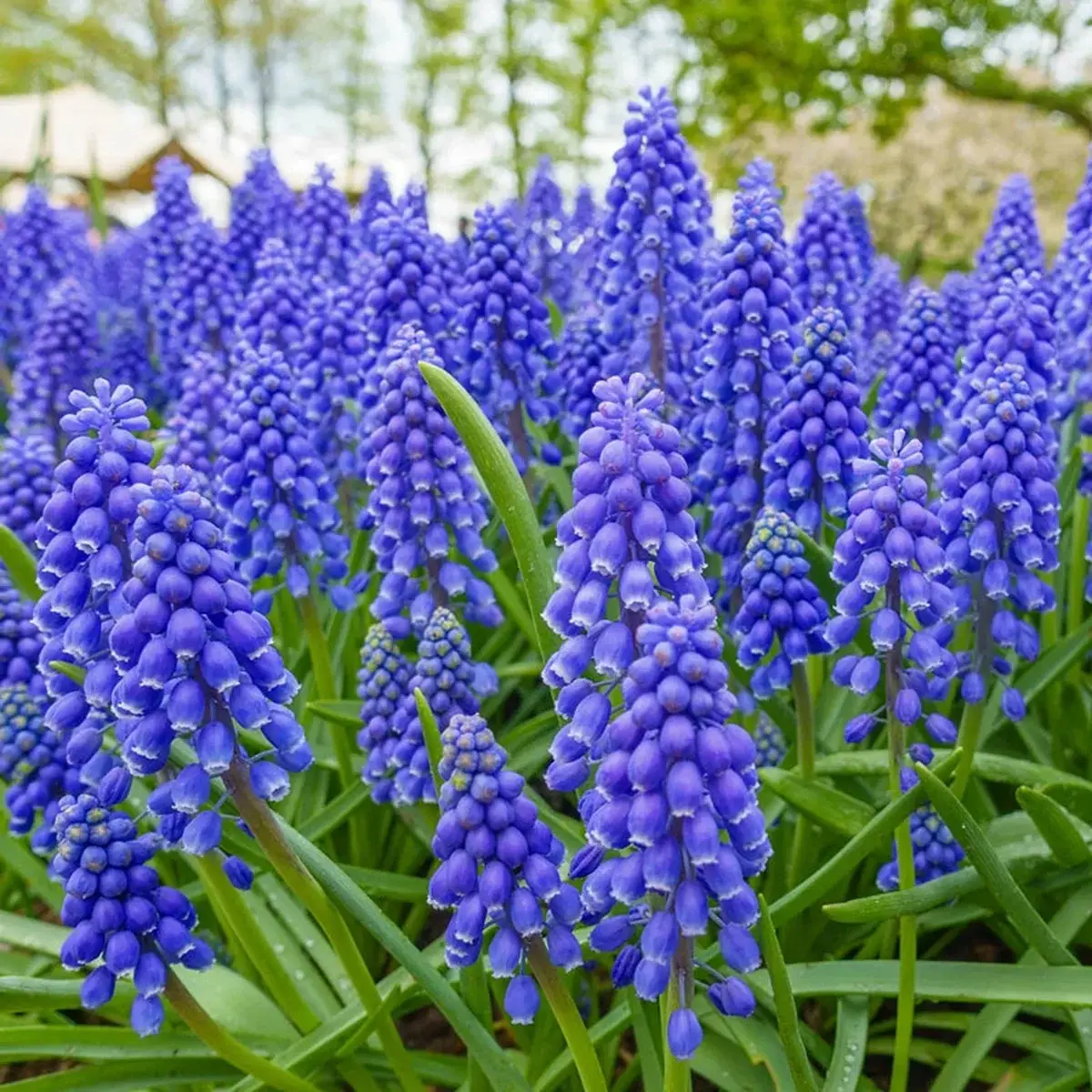
Blue grape hyacinth (Muscari armeniacum) is a charming spring-blooming bulb known for its dense spikes of small, vivid blue, bell-shaped flowers that closely resemble clusters of tiny grapes. Rising 6–8 inches above slender, grass-like foliage, these cheerful blooms create a striking splash of color in garden beds, borders, and rock gardens. Blue grape hyacinths are easy to grow, naturalize readily, and return each year to form beautiful, expanding drifts—often blooming alongside tulips and daffodils for a classic spring display.Interesting Fact: Blue grape hyacinth flowers emit a light, sweet fragrance that attracts early-season pollinators like bees. Once established, these bulbs can multiply quickly, sometimes forming dense carpets of blue that spread effortlessly throughout the garden!
Perennial Tulip Mixture
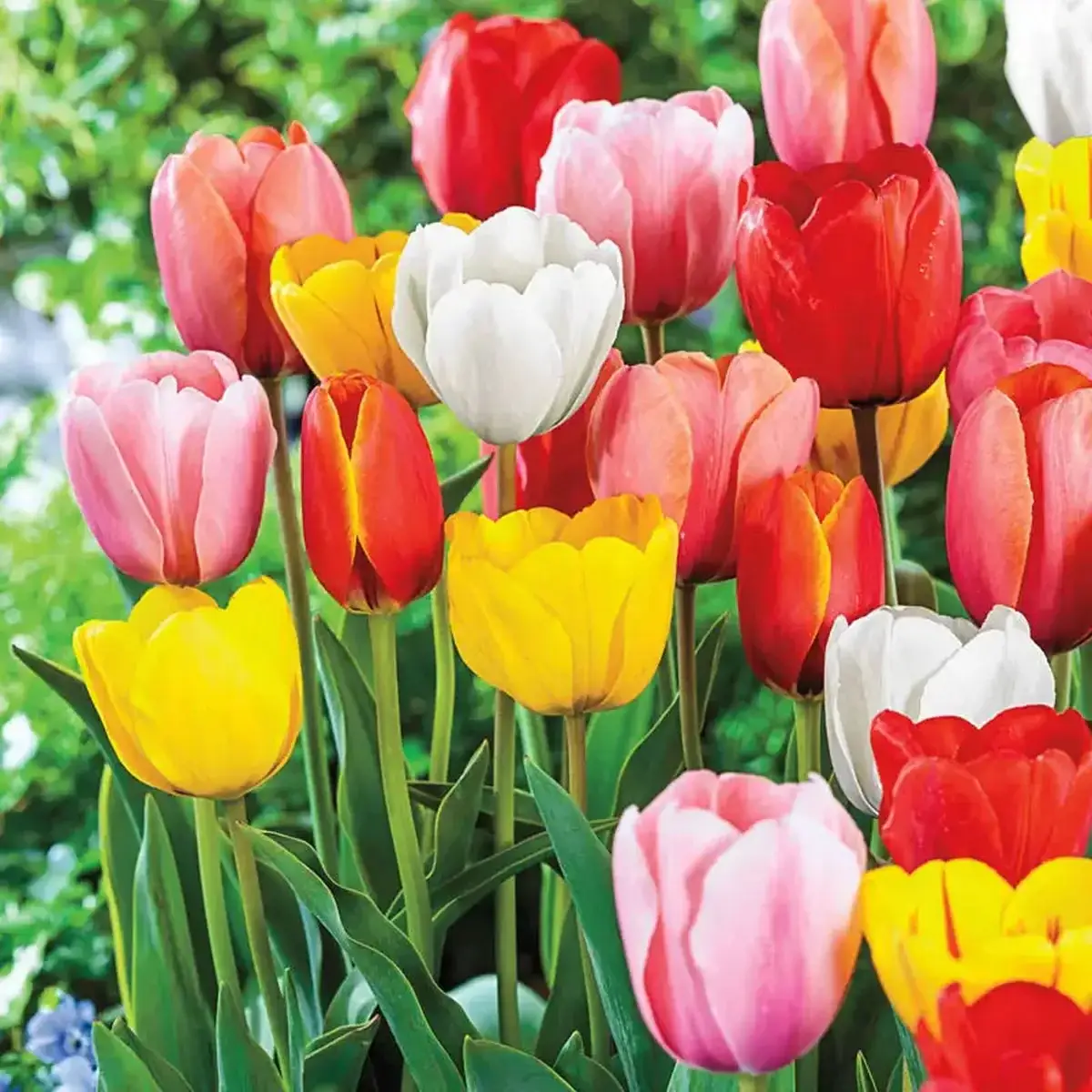
The perennial tulip mixture features a selection of robust tulip varieties specially chosen for their ability to return and bloom beautifully year after year. Showcasing a vibrant medley of colors—ranging from vivid reds and sunny yellows to soft pinks, pure whites, and deep purples—these tulips create an ever-changing springtime display in gardens and borders. With sturdy stems and classic tulip form, they make excellent cut flowers and provide long-lasting beauty with minimal care.Interesting Fact: Unlike many standard tulips that may only bloom reliably for one season, perennial tulips are bred to naturalize, multiplying and spreading over time to create larger and more impressive displays each spring.
Long Stemmed Tulip Duet Perennial Mixture
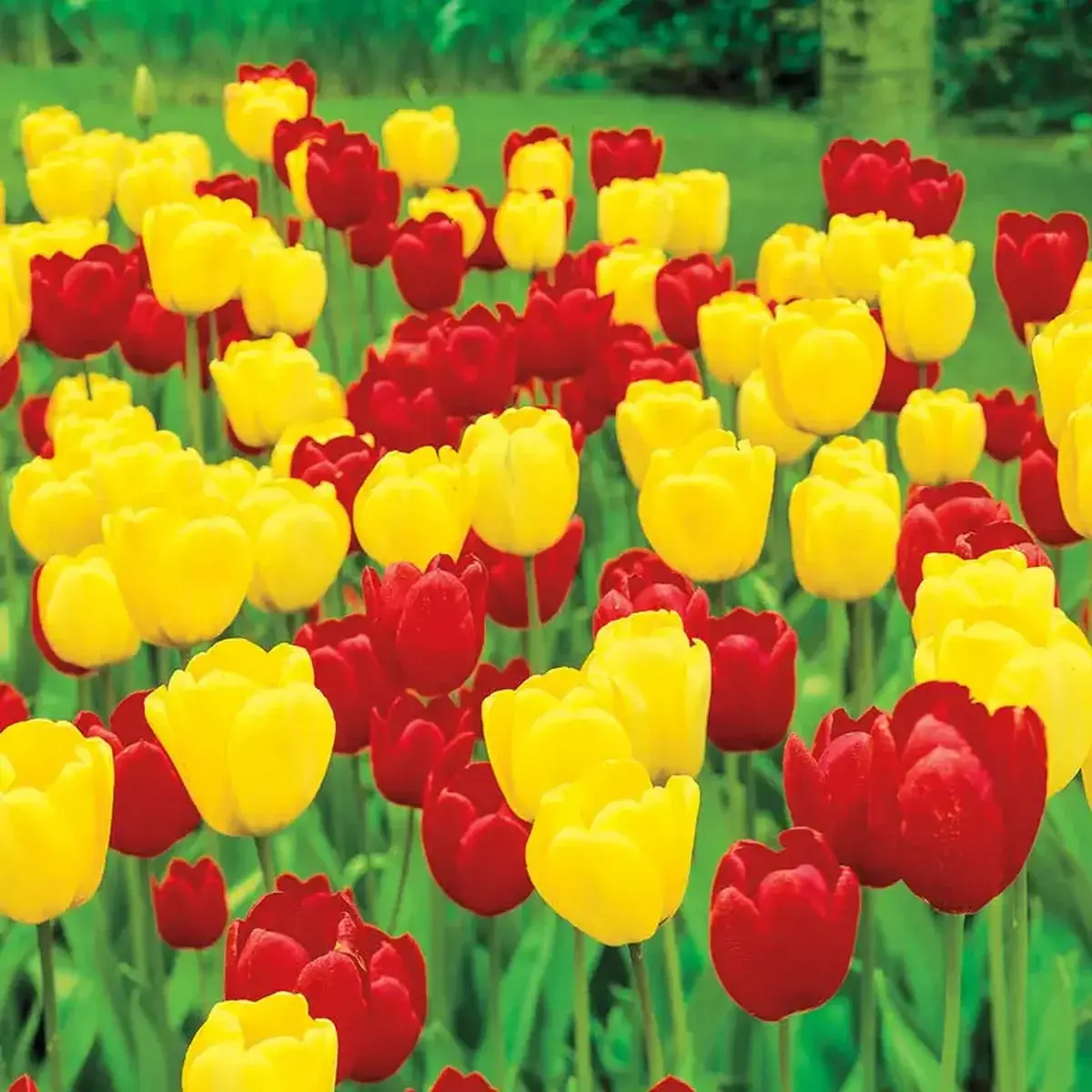
This striking duet pairs bold red and cheerful yellow long-stemmed perennial tulips for a dramatic and harmonious garden display. Each flower stands tall on robust stems, creating eye-catching vertical lines and making them ideal for both garden beds and fresh bouquets. The enduring perennial varieties in this mix are specially selected to return year after year, bringing vibrant color and classic tulip elegance to your landscape with minimal effort. Interesting Fact: The strong stems of these tulips not only support their large, showy blooms but also make them particularly resistant to wind and rain, ensuring your spring garden stays beautiful even in less-than-perfect weather.
Asiatic Lily Mixture
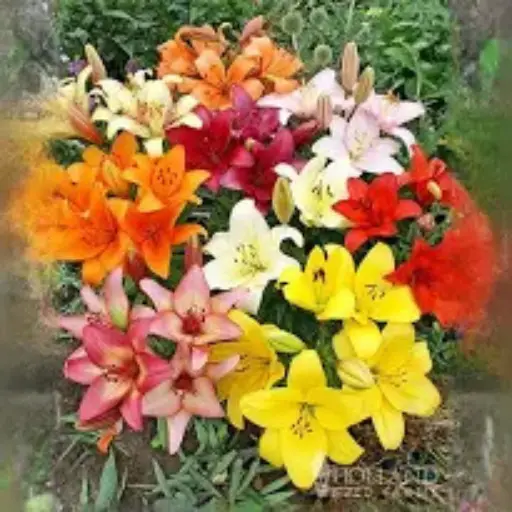
The Asiatic Lily Mixture presents a dazzling array of vibrant blooms, featuring shades of orange, yellow, red, pink, and white. Known for their upright stems and star-shaped flowers, Asiatic lilies are among the earliest lilies to bloom, offering a spectacular display from late spring to early summer. These hardy perennials are easy to grow, thrive in full sun or partial shade, and make excellent cut flowers thanks to their strong stems and long-lasting blossoms. Their compact growth and striking colors add instant impact to borders, beds, and containers.Interesting Fact: Unlike many other lilies, Asiatic lilies are fragrance-free, making them an ideal choice for anyone who loves bold color but prefers flowers without a strong scent.
Don Quixote Tulips
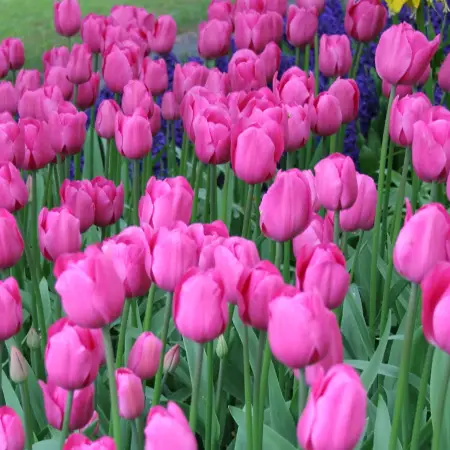
Don Quixote tulips are renowned for their large, elegant blooms in a vivid, deep pink hue with a lustrous, satin-like sheen. These mid-spring tulips feature strong, upright stems that make them perfect for both garden displays and striking floral arrangements. Their classic cup-shaped flowers open wide in sunlight, creating a dramatic splash of color in borders, beds, and containers. Easy to grow and reliably perennial, Don Quixote tulips return each year with a stunning show of vibrant pink.Interesting Fact: The Don Quixote tulip was introduced in the 1950s and is named after the legendary character from Miguel de Cervantes’ novel, symbolizing the tulip’s enduring charm and bold presence in the garden.
Escape Tulips
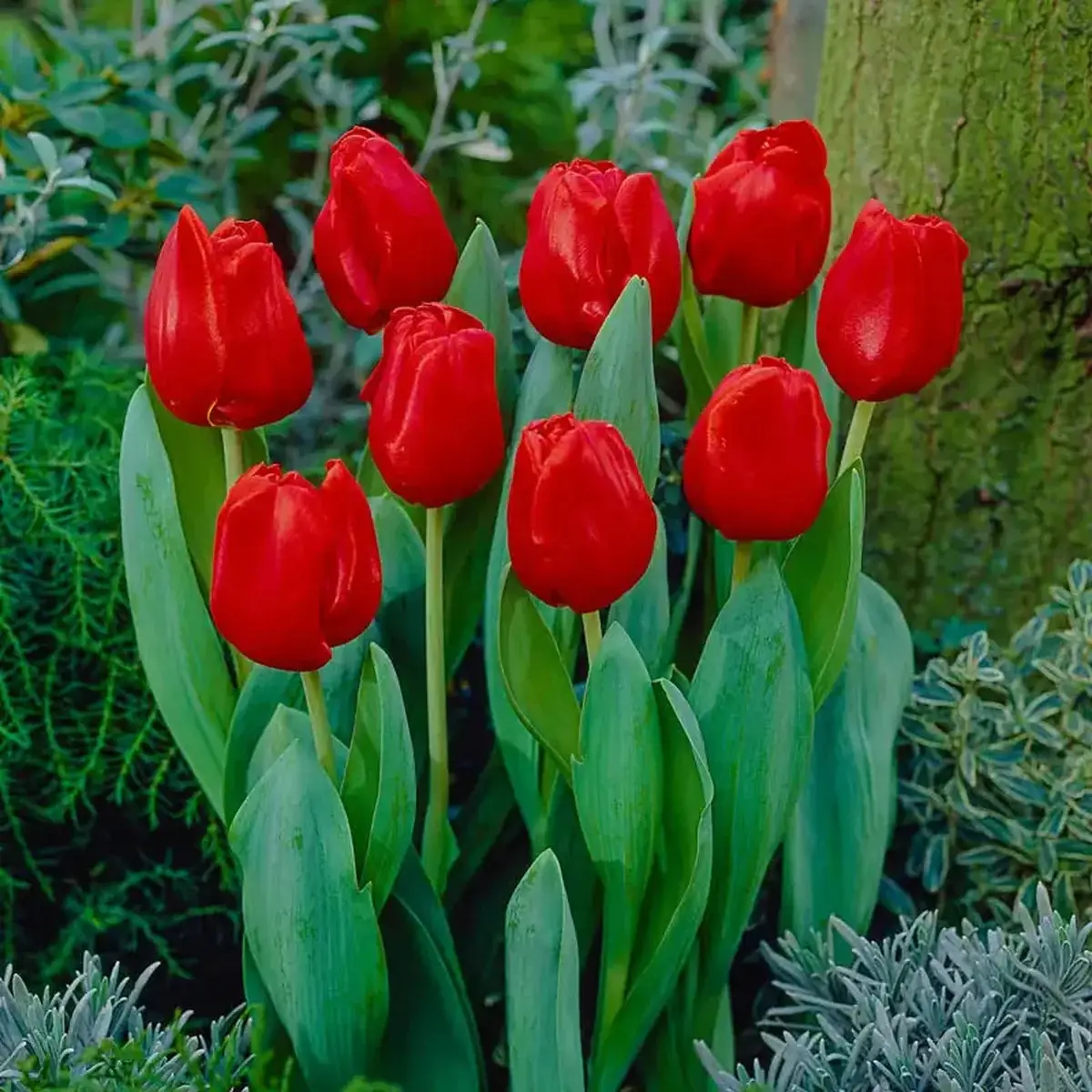
The Escape Tulip Super Sak offers a generous collection of brilliant, scarlet-red tulips known for their large flowers and sturdy, upright stems. These vivid blooms provide an energetic burst of color in mid to late spring, standing out beautifully in garden beds, borders, and large containers. Specially selected for their vigorous growth and reliable performance, Escape tulips are excellent for mass plantings and make impressive cut flowers. The Super Sak provides an abundant supply, perfect for creating spectacular displays or naturalizing over larger areas for a bold, unified look. Interesting Fact: Escape tulips are valued not only for their intense red color but also for their ability to perennialize in favorable conditions, returning year after year for lasting garden impact.
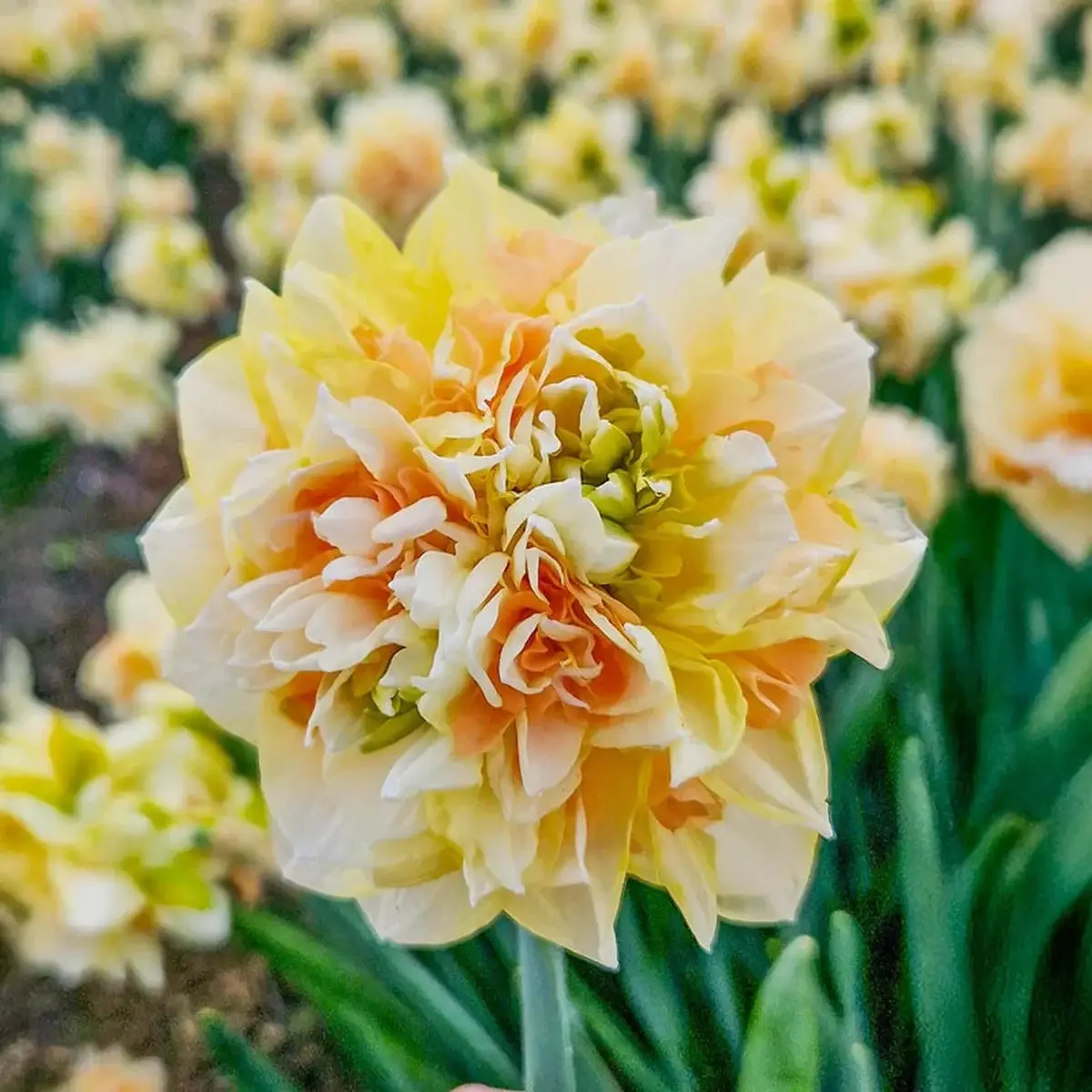
Delnashaugh Daffodil
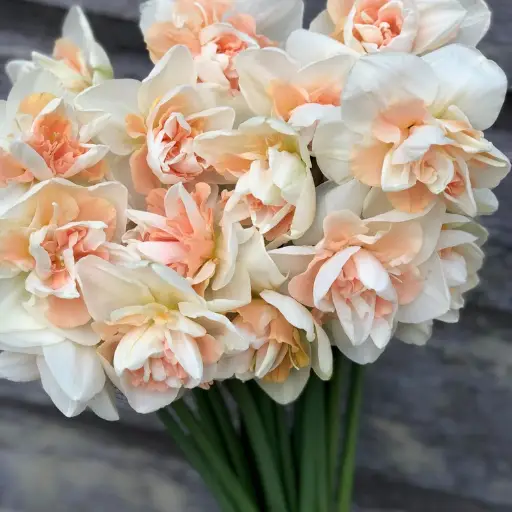
The Delnashaugh Daffodil Super Sak features a generous collection of one of the most unique and eye-catching double daffodils available. Each bloom displays layers of creamy white petals interlaced with soft apricot-pink ruffles at the center, creating a lush, rose-like appearance. Blooming in mid to late spring, Delnashaugh daffodils add elegance and charm to garden beds, borders, and cut flower arrangements. Their sturdy stems and reliable perennial habit ensure a stunning display year after year, while the Super Sak provides ample bulbs for mass plantings or naturalizing large spaces. Interesting Fact: Delnashaugh daffodils are prized not only for their beauty but also for their deer and rodent resistance, making them an excellent choice for gardens prone to critter browsing.
Yellow Trumphet Daffodils
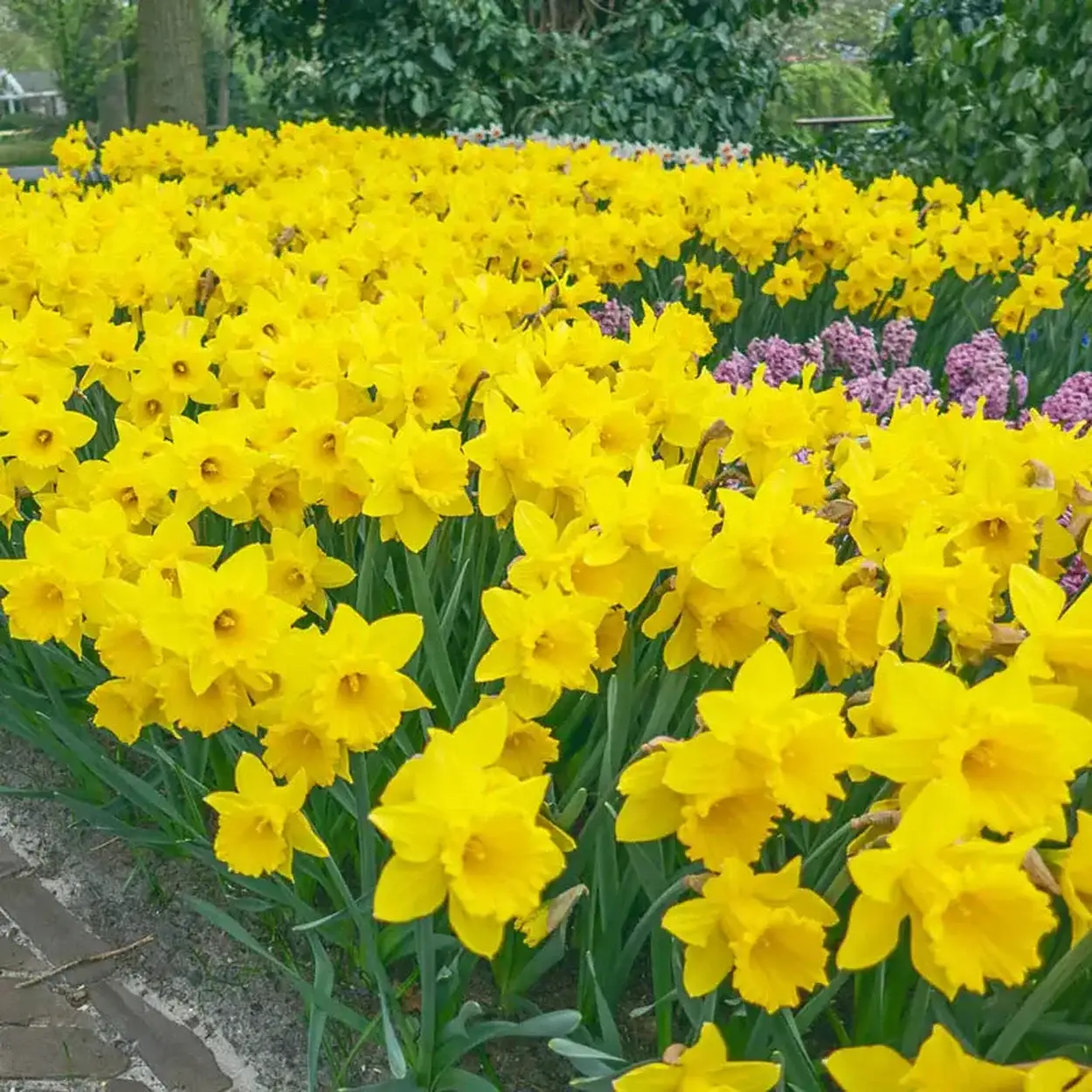
Yellow Trumpet Daffodils are classic springtime favorites, celebrated for their bright golden blooms and iconic trumpet-shaped centers. Each flower stands tall on sturdy stems, creating a cheerful and uplifting display in garden beds, borders, and naturalized areas. These hardy, reliable bulbs bloom early in the season and are well-known for their ability to multiply and return year after year. Their vibrant color and traditional form make them perfect for both garden and vase, providing a timeless splash of sunshine wherever they grow.Interesting Fact: Yellow trumpet daffodils are among the oldest cultivated daffodil types, dating back centuries, and have long symbolized renewal and hope in many cultures around the world.
Conca D'or Lily Tree
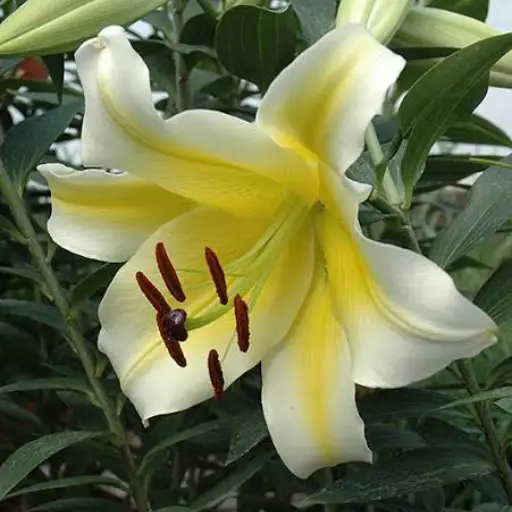
The Conca d’Or Lily Tree is a stunning hybrid that combines the best features of Oriental and trumpet lilies, producing towering stems that can reach up to 6 feet tall. Each plant bears a multitude of enormous, trumpet-shaped blooms in creamy yellow with pure white edges and a delicate, sweet fragrance. Blooming in mid to late summer, these lilies add dramatic height, elegance, and a luxurious scent to garden beds, borders, and floral arrangements. Exceptionally hardy and long-lived, Conca d’Or Lily Trees return year after year with minimal care, making them a show-stopping centerpiece in any landscape. Interesting Fact: Conca d’Or Lily Trees are often called “Orienpet” lilies, a name that reflects their unique parentage as a cross between Oriental and trumpet lilies, resulting in exceptional vigor, fragrance, and resilience.
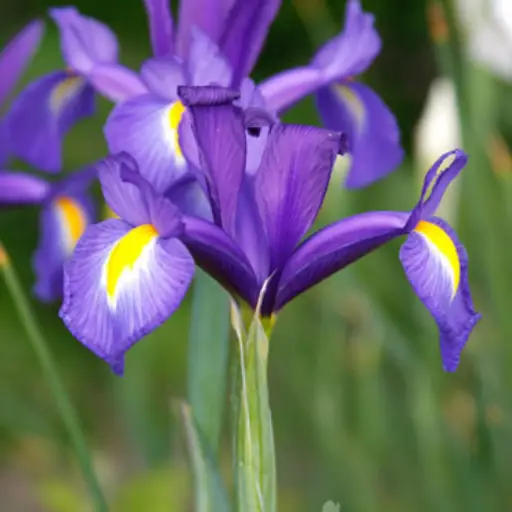
Purple Tall Dutch Iris
Purple Tall Dutch Iris showcases elegant, slender stems topped with large, velvety blooms in rich shades of deep purple and violet. These striking flowers add a sophisticated splash of color to garden beds, borders, and floral arrangements in late spring to early summer. With their graceful, sword-like foliage and stately height, Dutch irises are both easy to grow and highly versatile, thriving in sunny spots and well-drained soil. Their long stems make them ideal for fresh bouquets, while their reliable perennial nature ensures a stunning display year after year. Interesting Fact: Dutch irises, including the purple varieties, were originally bred in the Netherlands in the 19th century by crossing wild Spanish and Portuguese iris species, resulting in the distinctive tall, colorful blooms we know today.
Pompom Rose Daffodils
The Pompom Rose Daffodil is a charming double-flowered variety, featuring layers of creamy white petals interspersed with soft apricot-pink centers that resemble miniature roses. Each bloom sits atop sturdy, upright stems, making them a delightful addition to spring borders, mixed beds, and cut flower arrangements. Their full, ruffled appearance and unique coloring bring elegance and a touch of whimsy to the garden. Hardy and easy to grow, Pompom Rose Daffodils naturalize well, returning each spring with an abundance of showy blooms.
Interesting Fact: The double, rose-like blooms of the Pompom Rose Daffodil not only enhance their ornamental appeal but also make them less attractive to deer and rodents, providing natural protection in wildlife-prone gardens.
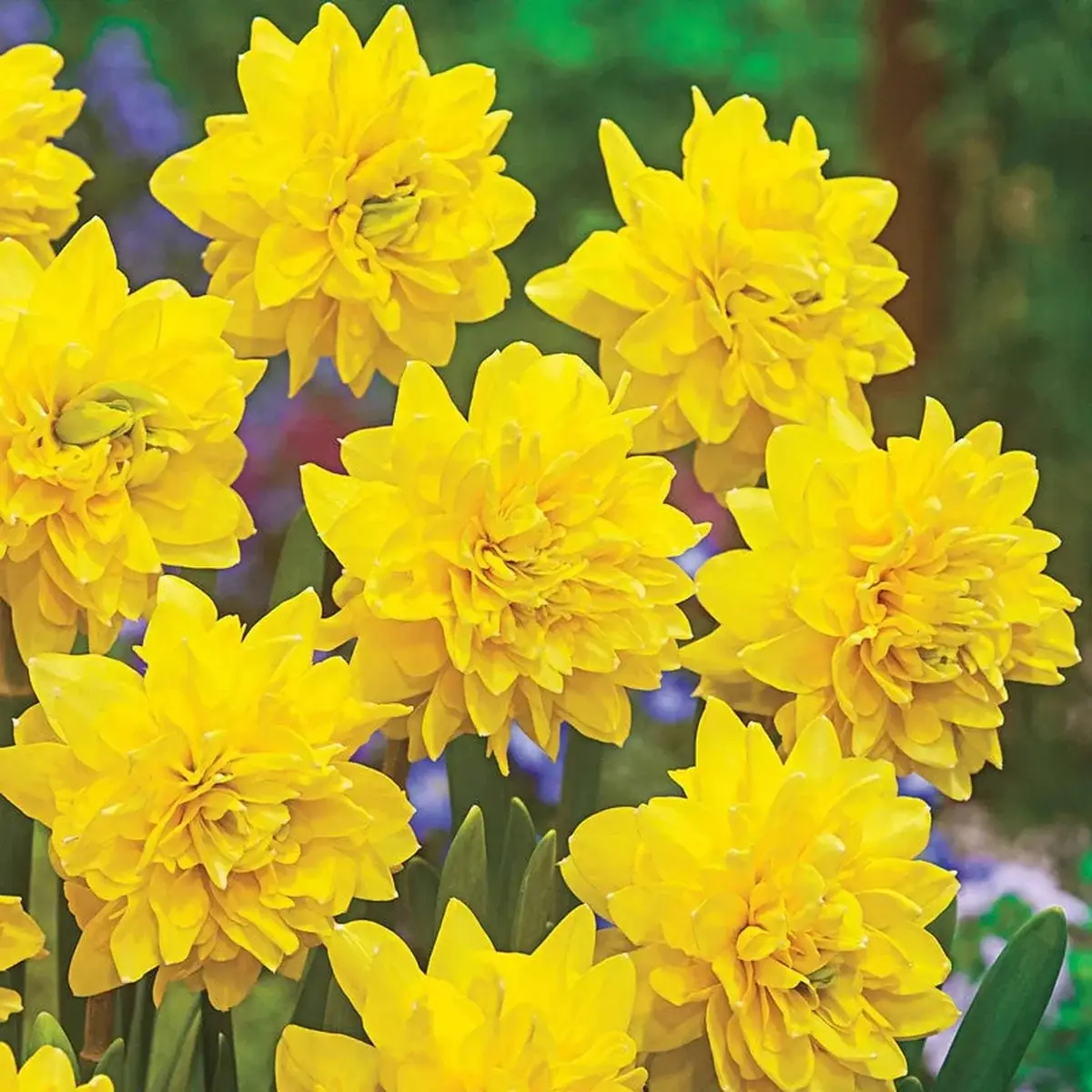
The Tete Rose Daffodil
The Tete Deluxe Daffodil is a delightful miniature variety, renowned for its double blooms in bright golden yellow. Each compact stem produces multiple layers of ruffled petals, creating a lush, full appearance that brings a burst of cheerful color to early spring gardens. Ideal for borders, rock gardens, containers, and naturalizing under trees, these hardy daffodils thrive in a range of conditions and multiply freely for an ever-expanding display year after year.
Interesting Fact: Tete Deluxe is an improved double-flowered version of the popular Tete-a-Tete daffodil, offering even more petals and a longer-lasting show of color in the landscape.
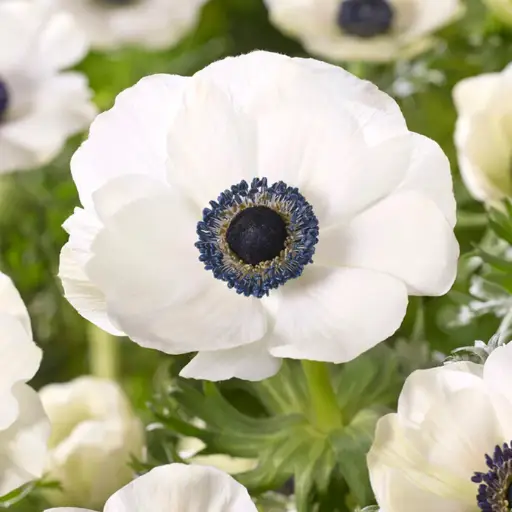
Anemone Galilee White
Anemone Galilee White is a stunning spring-blooming flower, prized for its pure white petals that surround a dramatic dark blue-black center. Each elegant bloom sits atop slender, wiry stems, creating a striking contrast and a sense of airy grace in garden beds, borders, and floral arrangements. These hardy, low-maintenance anemones bloom prolifically from early to late spring, thriving in both full sun and partial shade. Their long vase life and delicate beauty make them a favorite among floral designers and gardeners alike.Interesting Fact: Anemone Galilee varieties, including the white form, are favored by professional growers for early-season cut flower production thanks to their exceptional bloom quality, long stems, and extended flowering period.
Contains information related to marketing campaigns of the user. These are shared with Google AdWords / Google Ads when the Google Ads and Google Analytics accounts are linked together.
90 days
__utma
ID used to identify users and sessions
2 years after last activity
__utmt
Used to monitor number of Google Analytics server requests
10 minutes
__utmb
Used to distinguish new sessions and visits. This cookie is set when the GA.js javascript library is loaded and there is no existing __utmb cookie. The cookie is updated every time data is sent to the Google Analytics server.
30 minutes after last activity
__utmc
Used only with old Urchin versions of Google Analytics and not with GA.js. Was used to distinguish between new sessions and visits at the end of a session.
End of session (browser)
__utmz
Contains information about the traffic source or campaign that directed user to the website. The cookie is set when the GA.js javascript is loaded and updated when data is sent to the Google Anaytics server
6 months after last activity
__utmv
Contains custom information set by the web developer via the _setCustomVar method in Google Analytics. This cookie is updated every time new data is sent to the Google Analytics server.
2 years after last activity
__utmx
Used to determine whether a user is included in an A / B or Multivariate test.
18 months
_ga
ID used to identify users
2 years
_gali
Used by Google Analytics to determine which links on a page are being clicked
30 seconds
_ga_
ID used to identify users
2 years
_gid
ID used to identify users for 24 hours after last activity
24 hours
_gat
Used to monitor number of Google Analytics server requests when using Google Tag Manager